Uncategorized

Ewam Garden of 1,000 Buddhas: A Spiritual Sanctuary in Montana

Matthew O. Stephens

Arlee, MT–Nestled in Montana’s peaceful Jocko Valley on the Flathead Indian Reservation, the Ewam Garden of 1,000 Buddhas stands as a beacon of peace, compassion, and spiritual reflection. Located near Arlee, this remarkable garden is not only a place of beauty but also a profound center for Buddhist teachings and cross-cultural understanding.

Founded by Gochen Tulku Sang-ngag Rinpoche, a respected Tibetan Buddhist lama, the garden was conceived as a place to foster and teach peace while serving as a pilgrimage site for people of all backgrounds. Rinpoche, who was born in Tibet and trained in the Buddhist tradition, envisioned a space that would unite people through the principles of compassion and wisdom. Land for the garden was purchased in 1999, with the first Buddha statue being placed in 2000.

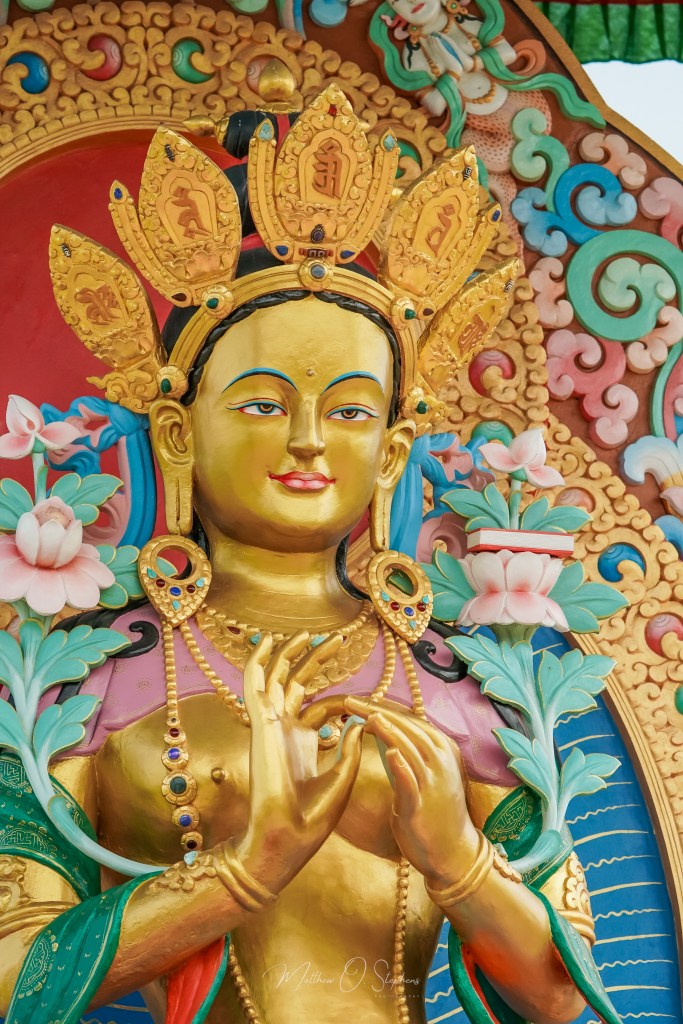
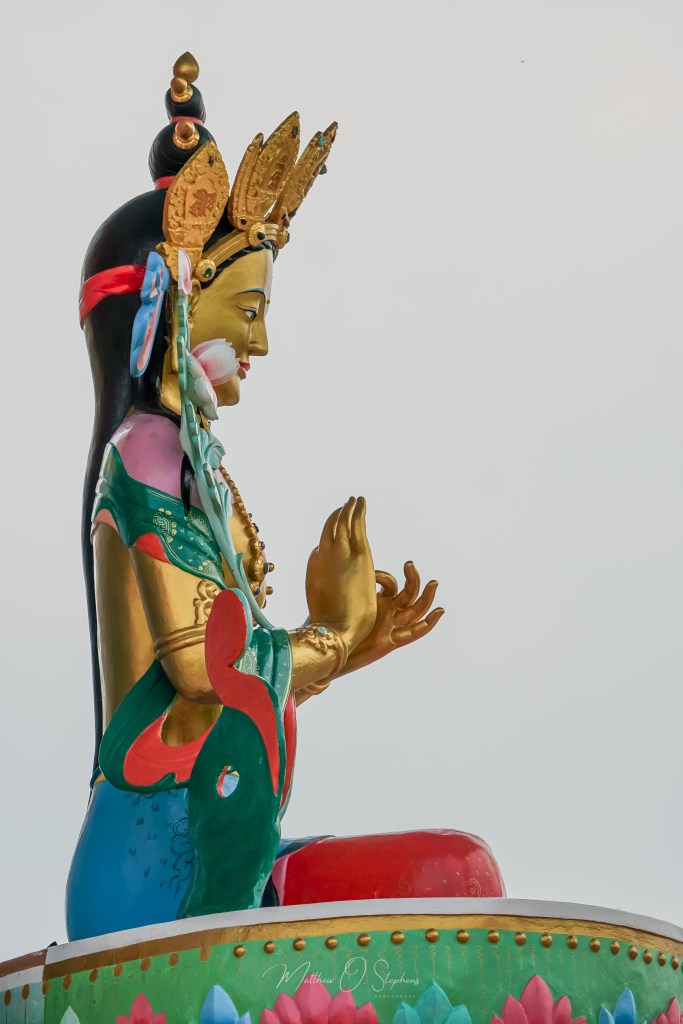
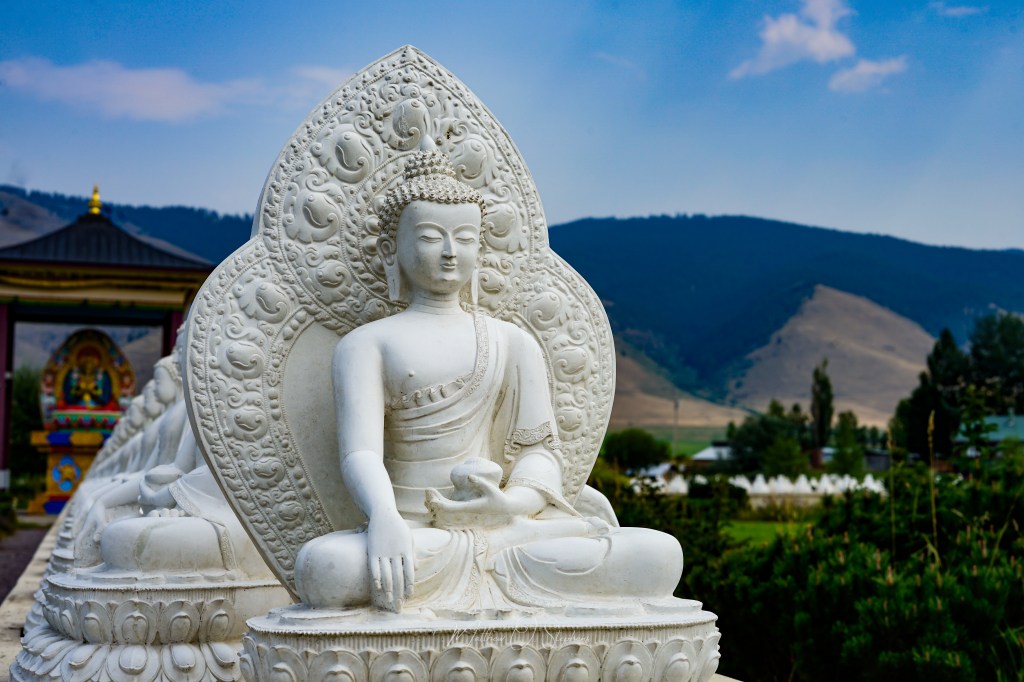
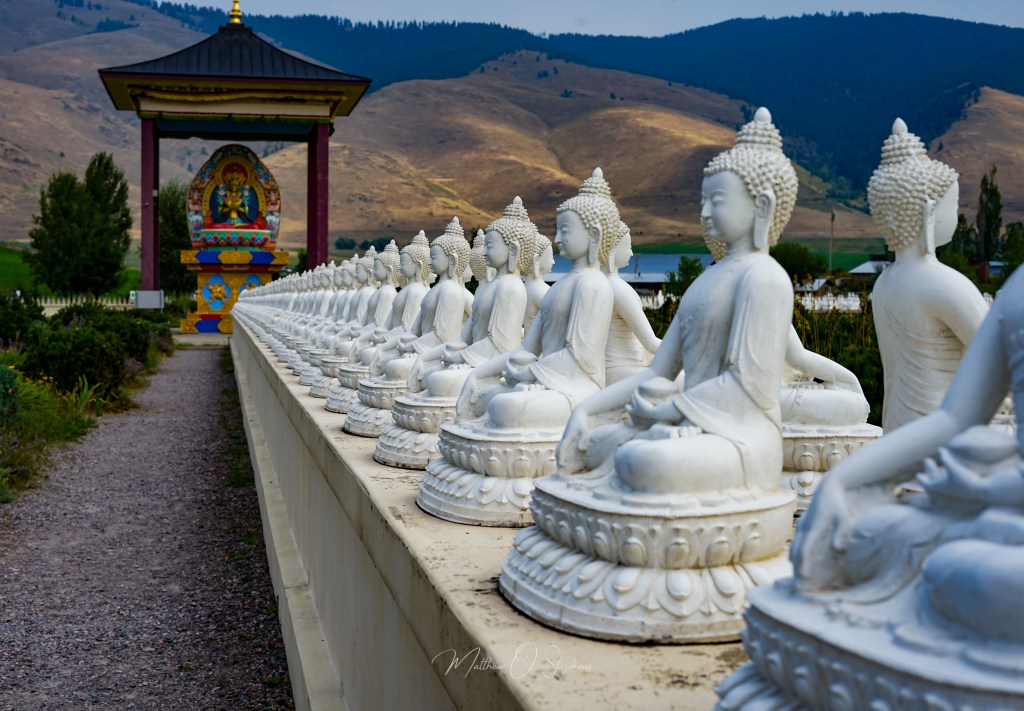
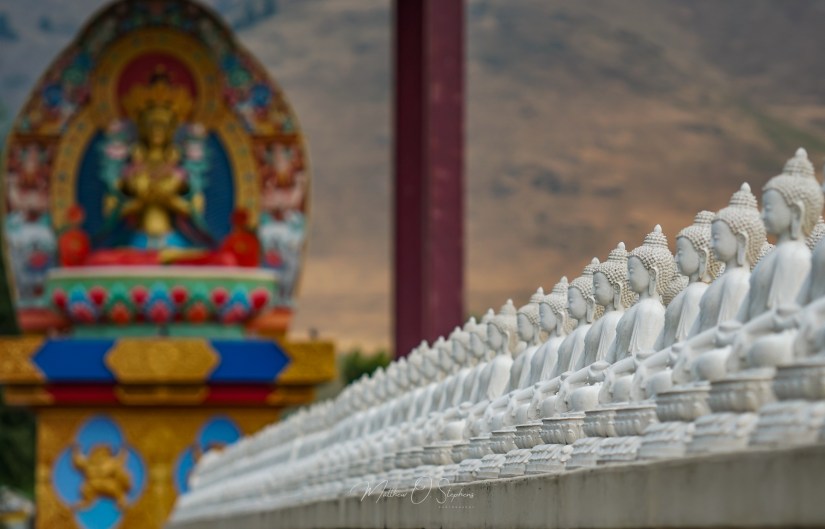
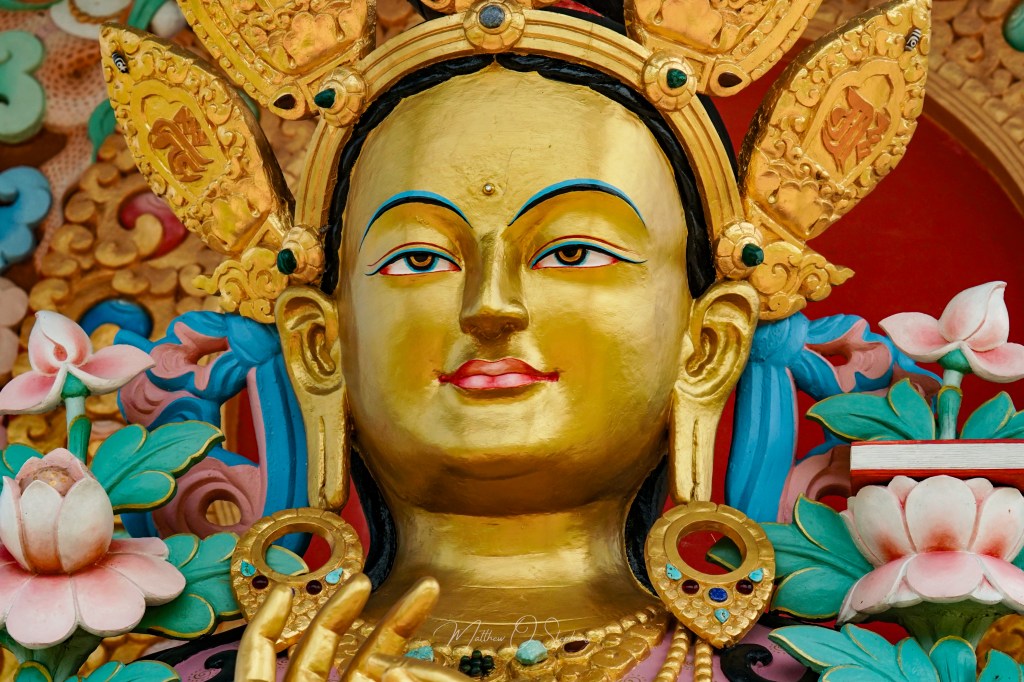
At the heart of the garden is a 24-foot statue of Yum Chenmo, also known as Prajnaparamita, the embodiment of transcendent wisdom. This central statue is surrounded by 1,000 smaller Buddha statues, each representing a pathway to enlightenment.
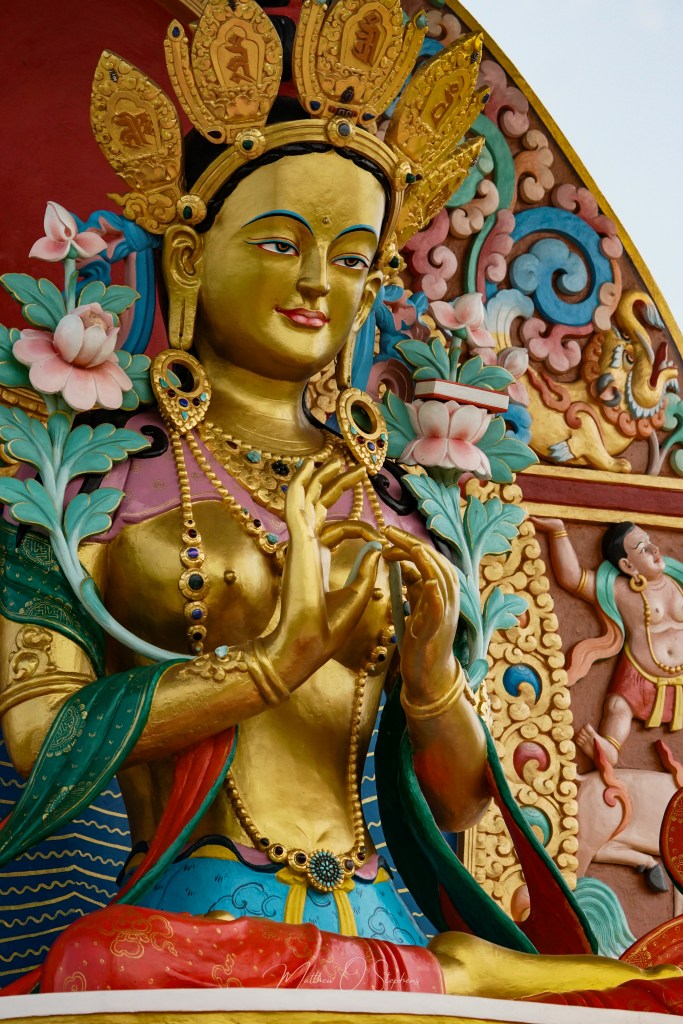
1,000 stupas also line the outside of the wheel all featuring images of the female diety Tara. Stupas are one of the world’s oldest architectural forms. Originally constructed as reliquaries to honor the remains of great kings and warriors. The one thousand stupas which encircle the garden are in the style known as the stupa of enlightenment. Each element, from the base to the tip of the spire, represents an aspect of the path to enlightenment, collectively symbolizing the mind of awakening.

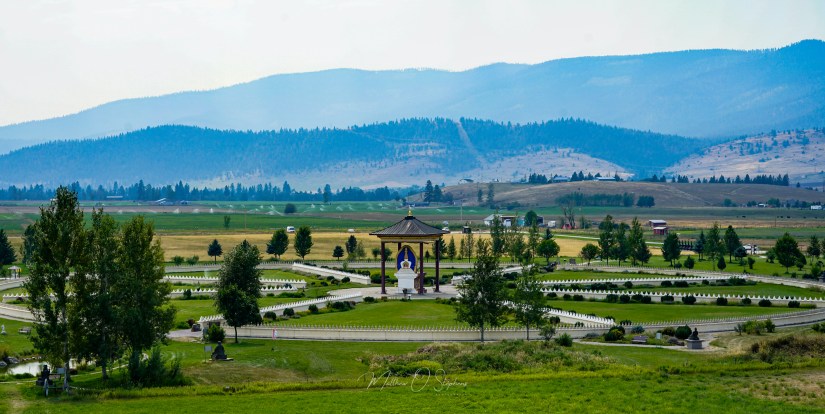
The entire garden is laid out in the shape of a traditional dharma wheel, a powerful Buddhist symbol of the cycle of birth, life, death, and rebirth.
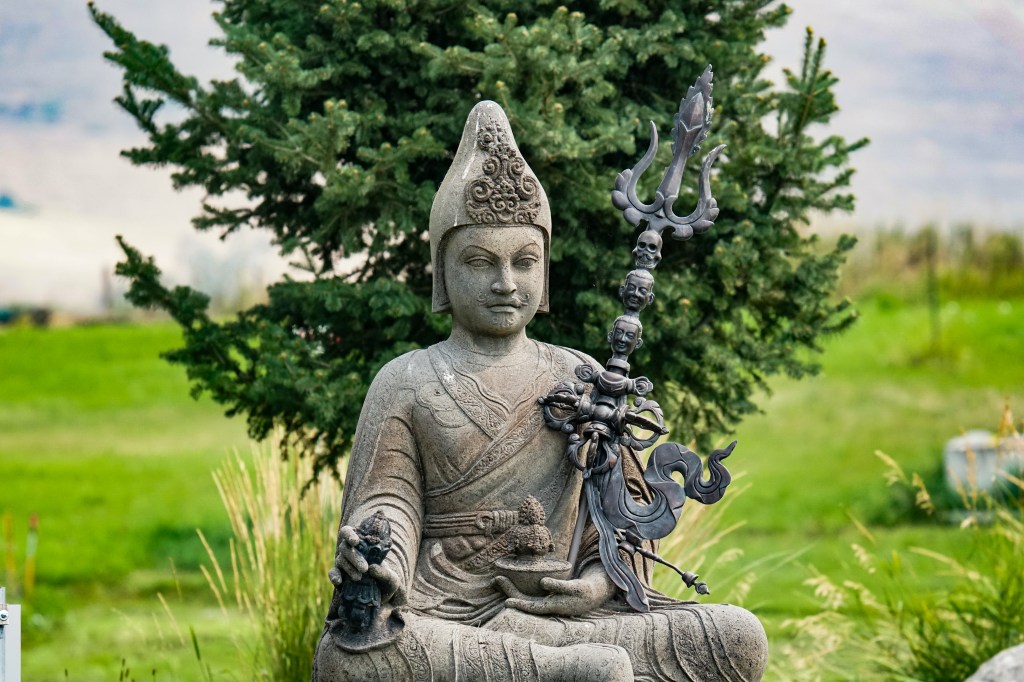
Beyond the central statue, the garden features several other significant statues and sacred spaces that enrich the visitor’s experience. Among these are statues of Avalokiteshvara, the Bodhisattva of Compassion, and Guru Rinpoche, also known as Padmasambhava, who is revered for bringing Buddhism to Tibet. Pandita Vimalamitra was known as one of the greatest Indian Dzogchen masters who was invited to Tibet in the 8th century. His accomplishments include translating tantras and composing various treatises.

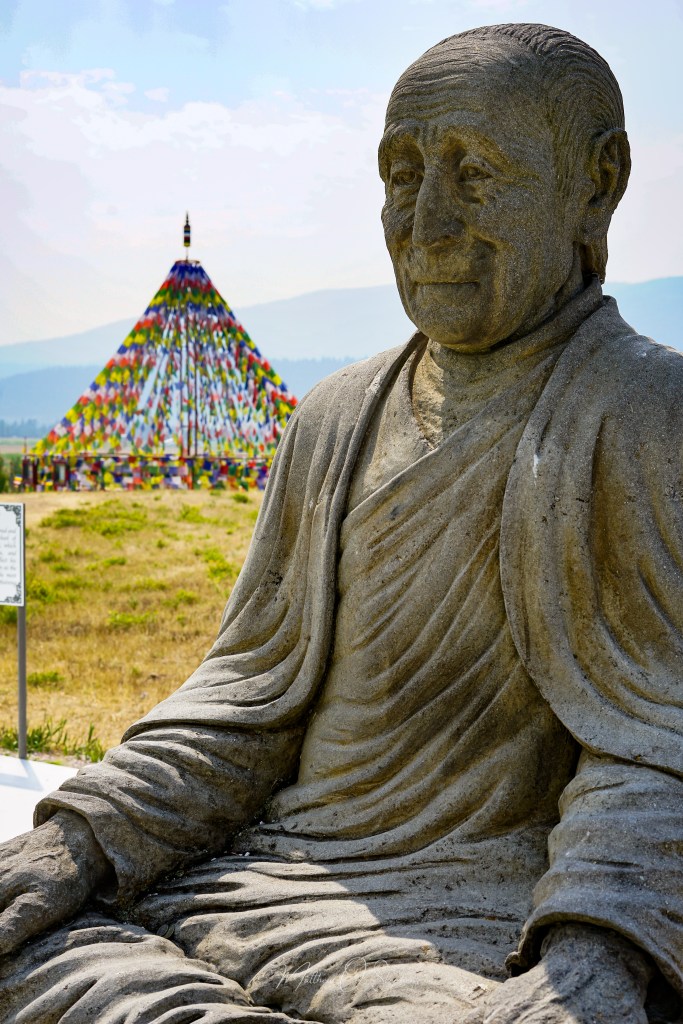
King Trisong Detsen was the 38th Emporer of Tibet and known as an unparalleled supporter of Buddhism. It is said he invited over 100 Buddhist Masters to Tibet to help translate and preserve the written teachings of Buddhism. Various other statues can be found on the grounds with information panels that help tell their stories.

One of the most serene areas of the garden is the Deer Park, named after the site in India where the Buddha gave his first sermon. This section of the garden is designed to evoke the tranquil atmosphere of the original Deer Park, offering visitors a peaceful space for meditation and contemplation. Statues of deer rest in the garden, symbolizing the Buddha’s teachings and the peaceful nature of the spiritual path.

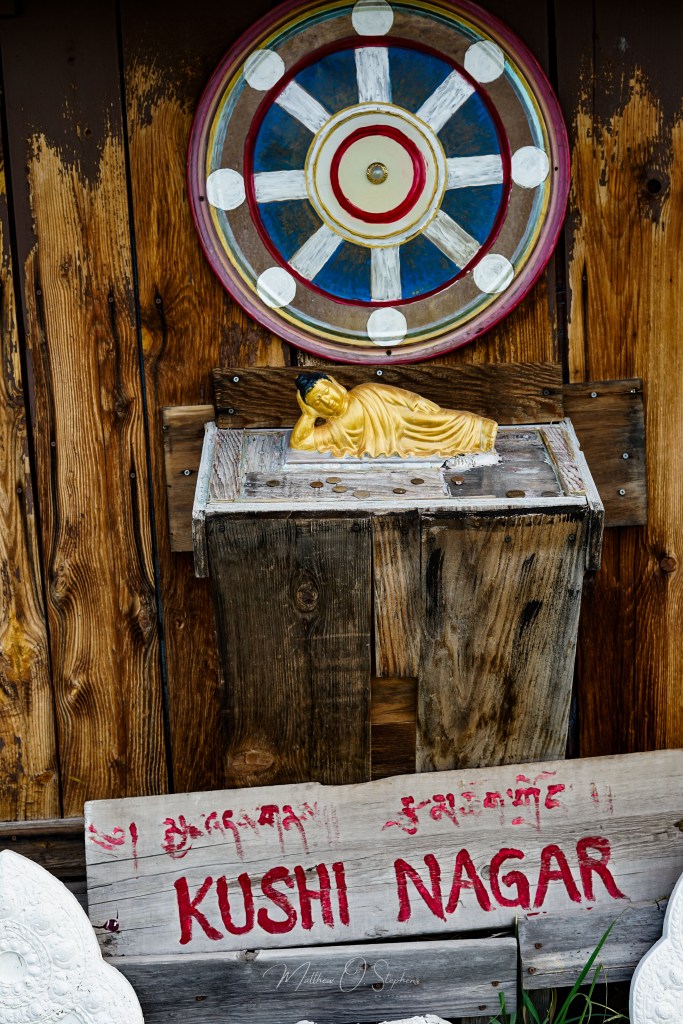
The garden also features a small yet poignant area dedicated to Kushinagara, the site in India where the Buddha attained parinirvana, or final enlightenment, upon his passing.

This space is a place of reflection on the impermanence of life and the Buddha’s final teachings. A small stupa and statue commemorate this significant event, inviting visitors to contemplate the themes of death, rebirth, and the cycle of samsara.

Since its opening, the Ewam Garden of 1,000 Buddhas has become a gathering place for people seeking spiritual solace, a deeper understanding of Buddhism, or simply a quiet place to reflect. The garden hosts numerous events throughout the year, including teachings, meditation sessions, and cultural celebrations that draw visitors from all walks of life.

The Ewam Garden of 1,000 Buddhas is open year-round and welcomes visitors from around the world. Whether you are a practicing Buddhist or simply someone looking for a moment of tranquility, the garden offers a unique spiritual experience in the heart of Montana.

Location:
Ewan Garden of 1,000 Buddhas
34574 White Coyote Rd, Arlee, MT 59821

Contact Information:
Phone: (406) 726-0555
Website: www.ewambuddhagarden.org

Visitors are encouraged to check the website or call ahead for information on events, hours of operation, and any special guidelines.

Uncategorized

Lake Coeur d’Alene: Idaho’s Year-Round Gem

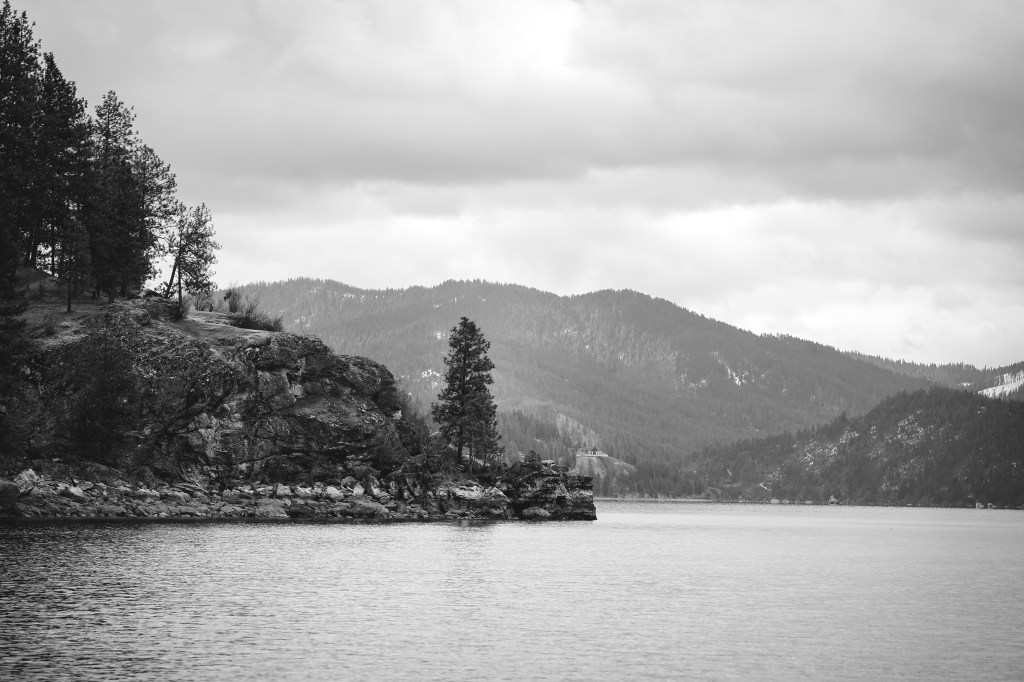
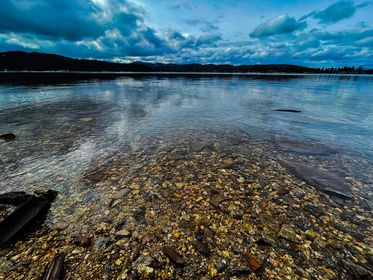
COEUR D’ALENE, Idaho — Nestled in the northern panhandle of Idaho, Lake Coeur d’Alene stretches across 25 miles, offering a haven for nature lovers, anglers, and adventure seekers alike. This glacially-formed lake, spanning 49 square miles with depths reaching up to 220 feet, has a rich history and a vibrant ecosystem, making it a year-round destination for tourists.

The lake’s name originates from the Coeur d’Alene Native American tribe, who have lived in the region for centuries. European fur traders in the early 19th century dubbed the tribe “Coeur d’Alene,” meaning “heart of an awl,” in reference to their shrewd trading practices. The city of Coeur d’Alene, founded in 1878, grew rapidly with the arrival of the Northern Pacific Railroad and the mining boom of the late 19th and early 20th centuries. Silver, lead, and zinc were extracted from nearby mountains, contributing to the area’s economic development.
In the early 20th century, timber also played a significant role in the region’s economy, with large logging operations taking place around the lake. The historic steamboats that once transported timber and ore now serve as a reminder of the area’s industrious past. Today, Coeur d’Alene has transformed into a vibrant city with a population of approximately 55,000, experiencing steady growth due to its scenic beauty and quality of life.

Anglers are drawn to Lake Coeur d’Alene for its diverse fish population. The lake is home to species such as Chinook salmon, rainbow trout, largemouth and smallmouth bass, northern pike, crappie, and kokanee salmon. The variety of fish ensures that whether you are a seasoned angler or a beginner, there is always a catch waiting. The lake hosts several fishing tournaments throughout the year, including the annual Big One Chinook Derby, attracting anglers from all over the country.

Warmer months invite people who enjoy boating, swimming, and kayaking. The lake’s clear waters and scenic surroundings are also perfect for paddleboarding and jet-skiing. The Coeur d’Alene Resort offers boat rentals and lake tours, providing stunning views of the area. Scenic cruises are available, offering a relaxing way to explore the lake while enjoying commentary on the region’s history and wildlife.

The Fourth of July fireworks show over the lake is another summer highlight, always drawing a large crowd.

As the leaves turn for the approach of Autumn, hiking and biking trails around the lake become a tapestry of Fall colors. These trails offer panoramic vistas of the lake and surrounding forests, making them popular among photographers and nature enthusiasts. Fall is also an excellent time for birdwatching, as migratory birds make their way through the region.

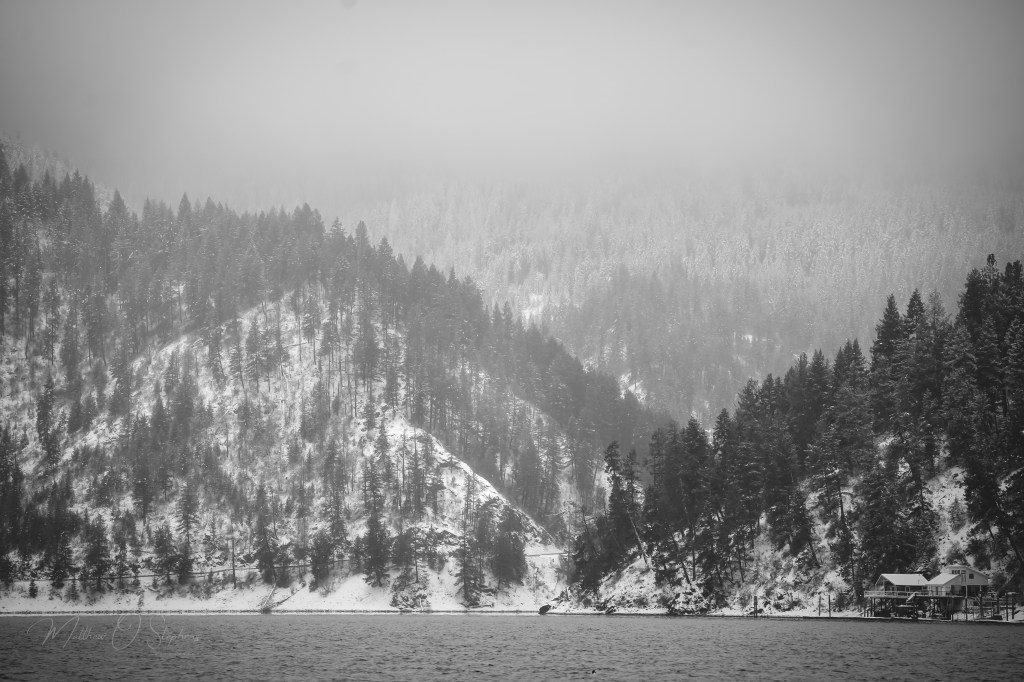
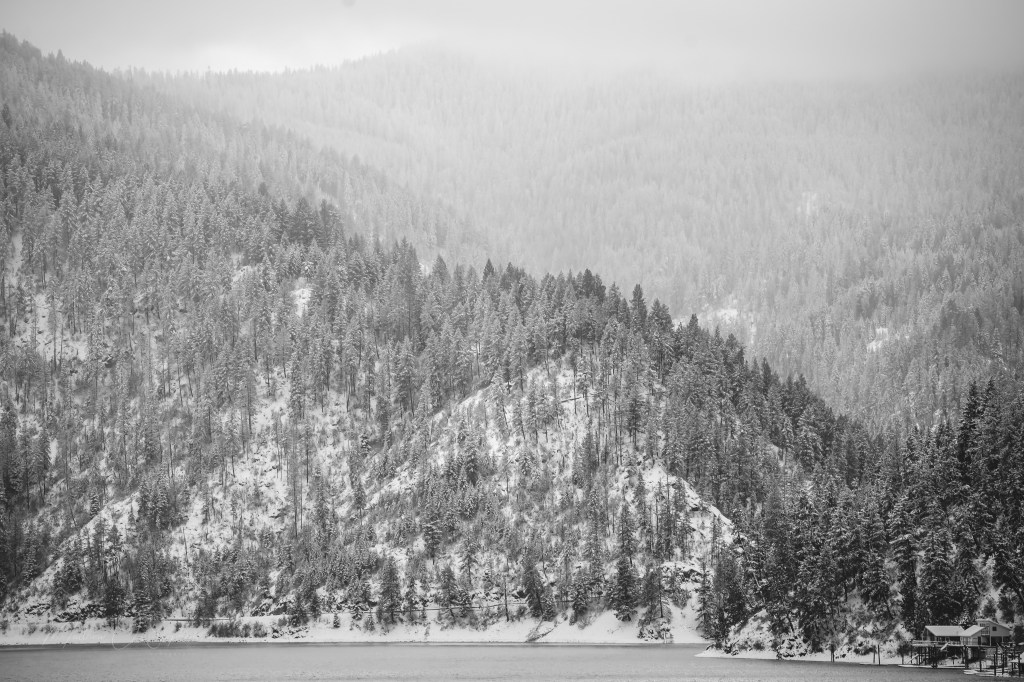
Winter transforms Lake Coeur d’Alene into a serene wonderland. Winter sports enthusiasts can enjoy snowshoeing and cross-country skiing on trails around the lake, while nearby ski resorts offer downhill skiing and snowboarding.

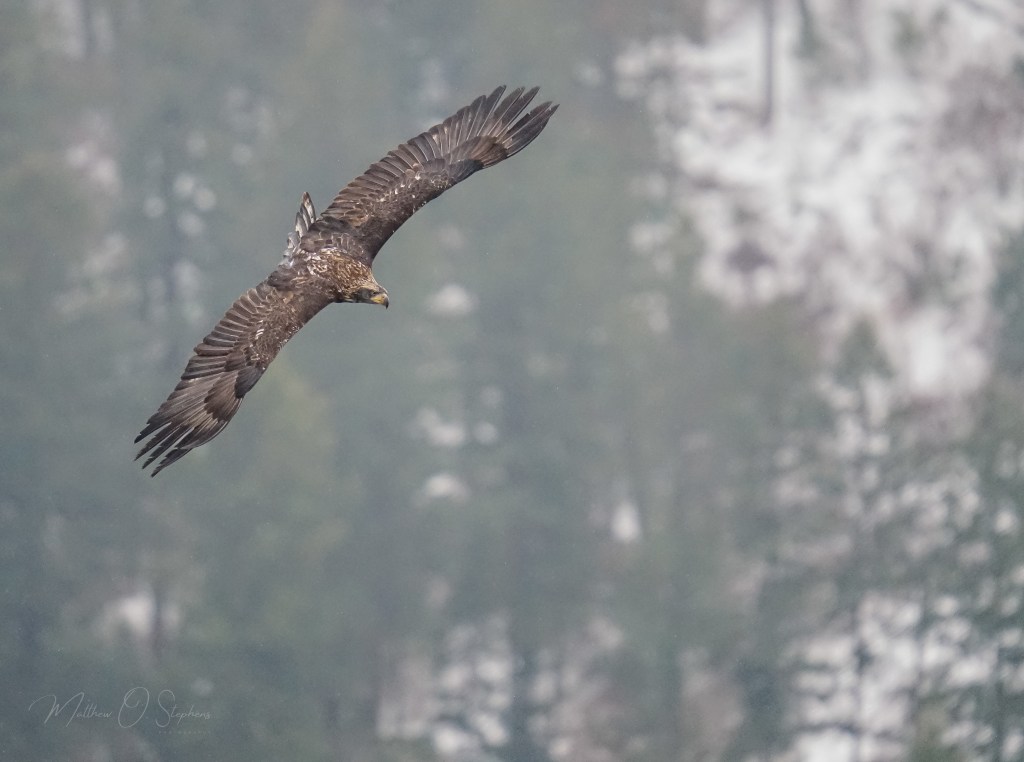
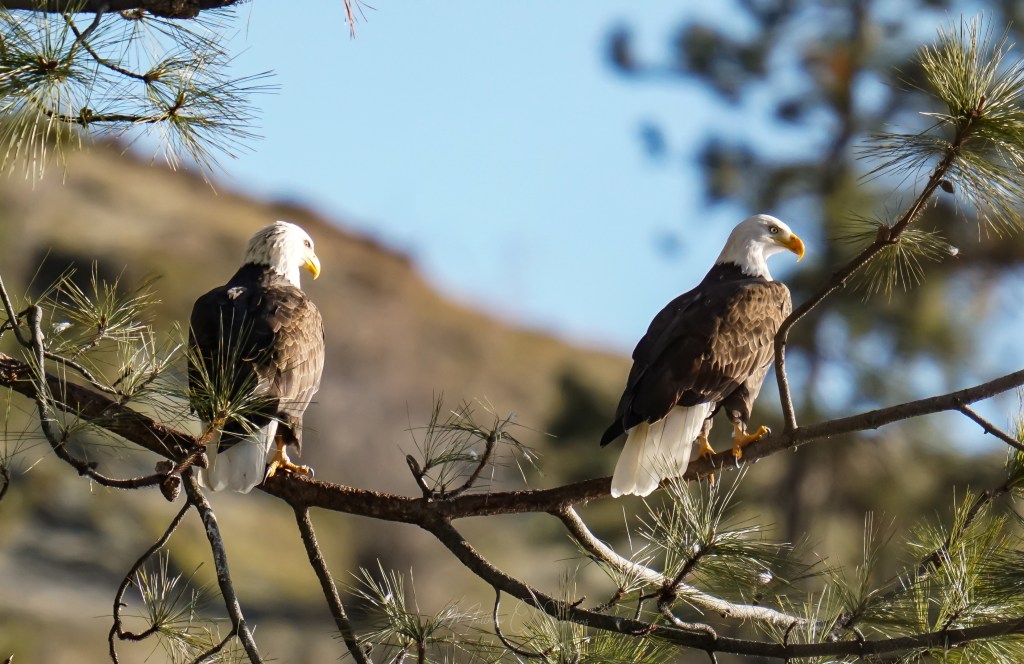
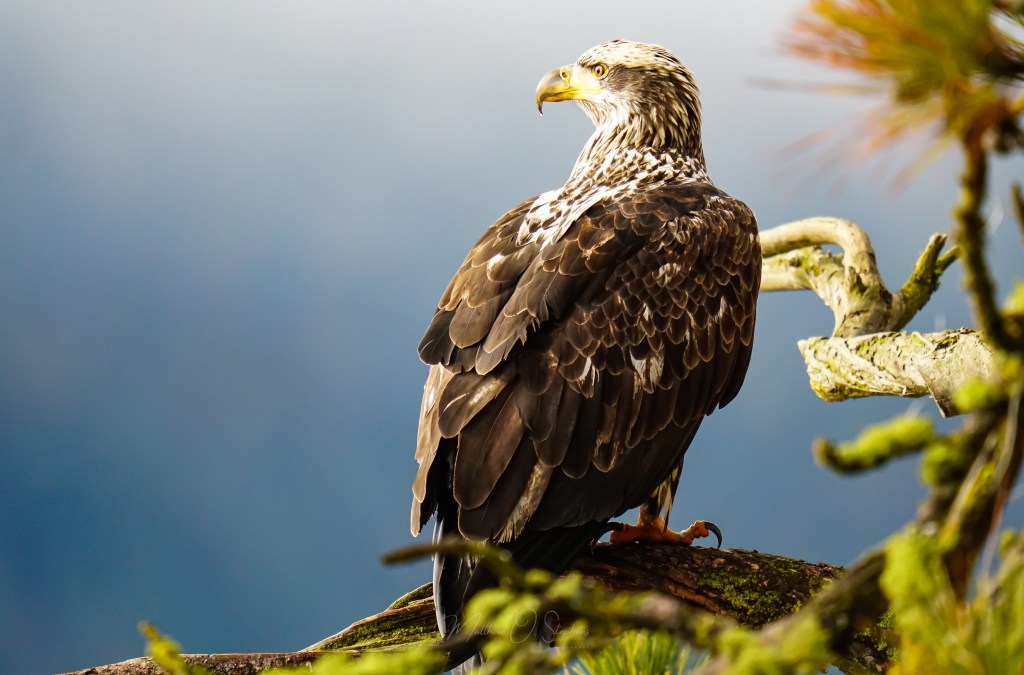
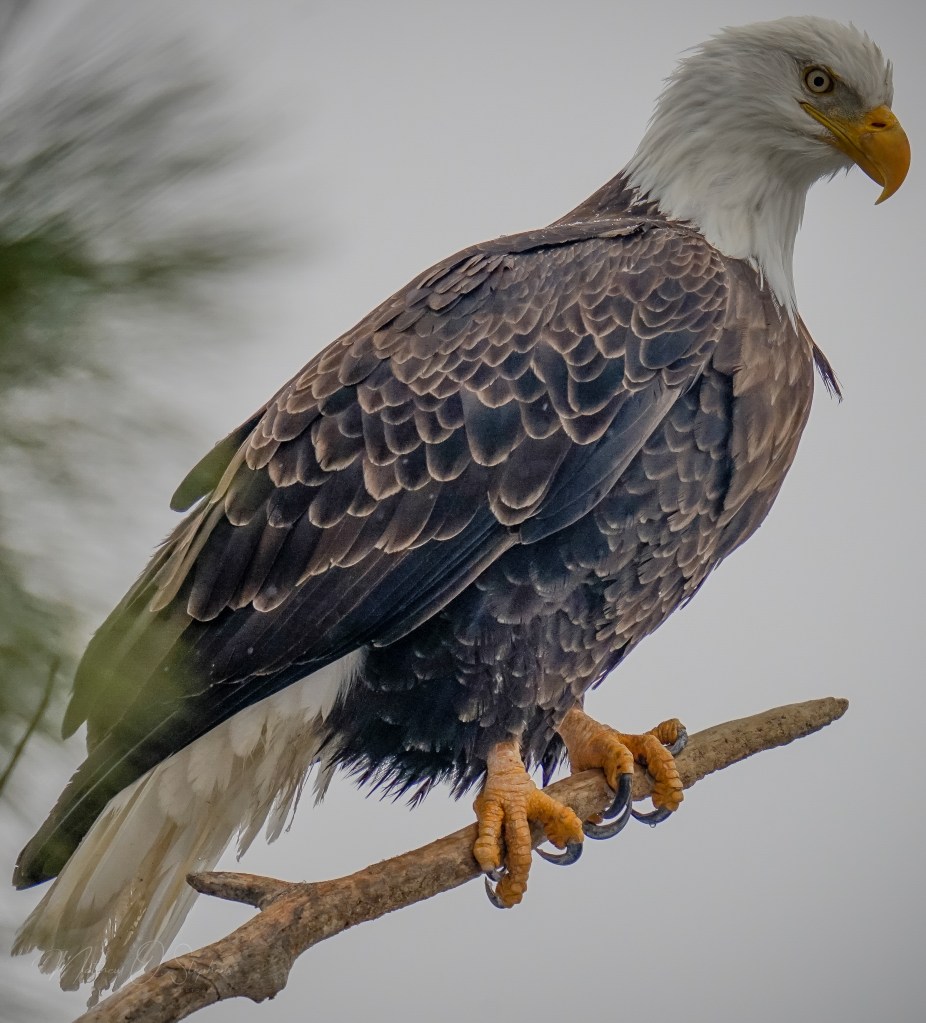
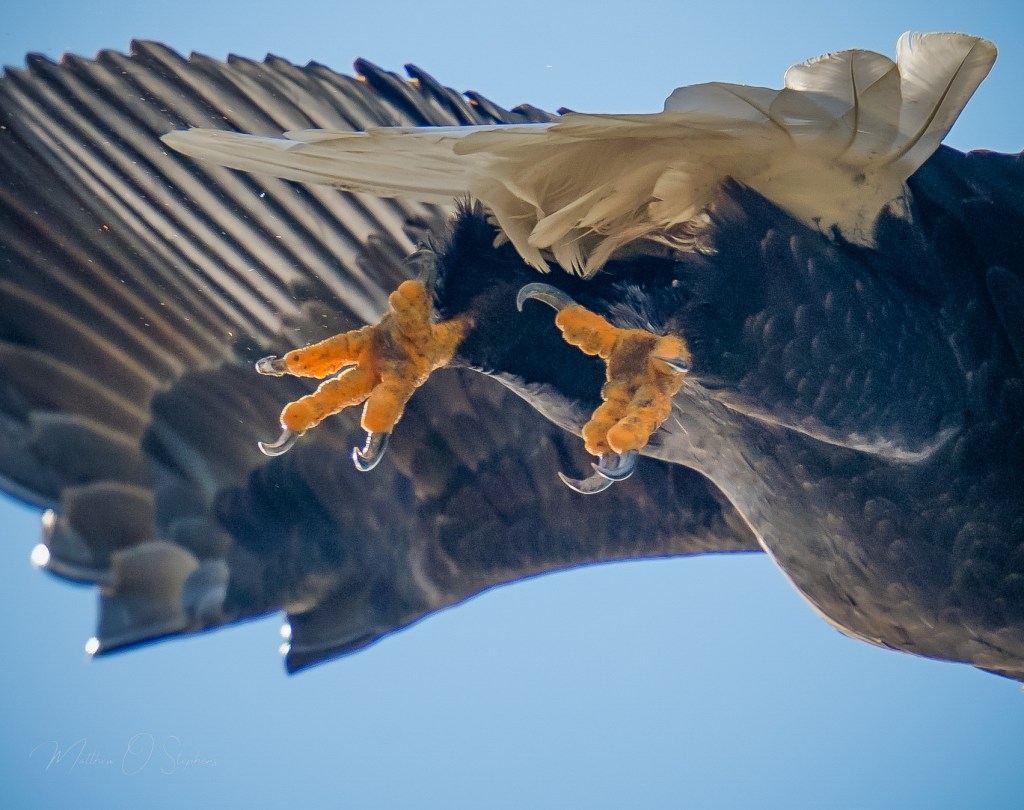
In terms of natural beauty, Lake Coeur d’Alene is hard to beat. Wolf Lodge Bay is one area known for its wintering bald eagles, this bay is a prime spot for wildlife photography and birdwatching. Each year, hundreds of eagles can be seen soaring above the bay and diving for fish, providing an unforgettable experience for visitors. From November to February, these majestic birds flock to the lake to feast on spawning kokanee salmon, creating a spectacular wildlife viewing opportunity. The area is equipped with viewing stations and information panels to enhance the experience.

The Mineral Ridge hiking trail offers a moderate climb with rewarding views of the lake, especially beautiful during the fall. The 3.3-mile loop trail features interpretive signs that provide information on the local flora and fauna, as well as the history of the area. The trailhead is easily accessible, with parking and picnic facilities available.

True to its name, Beauty Bay is a tranquil spot perfect for picnicking, kayaking and enjoying the natural beauty of the region. The bay offers a quiet escape from the busier parts of the lake, with calm waters ideal for paddleboarding and swimming. Several campgrounds in the area provide a rustic, yet comfortable, overnight experience.

Located at the eastern end of Lake Coeur d’Alene, Higgens Point is a popular spot for fishing, picnicking, and eagle watching. The area offers a boat launch, making it a convenient starting point for lake exploration. Higgens Point is also part of the North Idaho Centennial Trail, a 24-mile paved path perfect for biking and walking.

There are also a lot of local attractions people can enjoy while in the area. A centerpiece of the area, the resort is famous for its floating green golf course, luxurious spa, and fine dining. The resort’s marina provides various watercraft for rental, making it easy to explore the lake. The resort also features the world’s longest floating boardwalk, offering stunning views of the lake and surrounding mountains.

The downtown area is bustling with quaint shops, art galleries, and restaurants. Hudson’s Hamburgers, a local institution since 1907, is a must-visit for a classic American burger. Just down the road, Schmidty’s Burgers is another eatery deeply engrained in the community. The downtown area also hosts a variety of events throughout the year, including the popular ArtWalk, which showcases local artists’ work in galleries and businesses.

The Art Spirit Gallery features contemporary works by local and regional artists, offering a diverse range of paintings, sculptures, and ceramics. It is a cultural hub in the downtown area, hosting exhibitions and events throughout the year.

Also in the downtown area, McEuen Park offers a large playground, a splash pad, and walking paths. The park’s waterfront location provides beautiful views of the lake and easy access to Tubbs Hill.

Adjacent to downtown, Tubbs Hill offers hiking trails with beautiful lake views, picnic spots, and secluded beaches perfect for a summer swim. The two – mile loop trail around the hill provides easy access to the natural beauty of the area, with interpretive signs highlighting the local ecology and geology.

Just a short drive from the lake, Silverwood is the largest theme park in the Northwest, offering rides and attractions for all ages. The park features roller coasters, water slides, and live entertainment, making it a perfect family destination.

Lake Coeur d’Alene is not just a body of water; it’s a year-round destination that promises adventure, relaxation, and breathtaking natural beauty. Whether you’re casting a line, hiking a trail, or simply soaking in the scenery, this Idaho gem has something for everyone. With its rich history, diverse recreational opportunities, and vibrant local culture, Lake Coeur d’Alene continues to captivate visitors and locals alike.

Uncategorized

National Bison Range: One of Montana’s Great Sanctuaries

MOIESE, Mont. — Nestled in the picturesque landscape of northwestern Montana, the National Bison Range is a testament to the American conservation movement, offering visitors a glimpse into the past with its thriving wildlife and diverse habitats. Established in 1908 by President Theodore Roosevelt, the range stands as one of the oldest wildlife refuges in the United States.

Covering approximately 18,800 acres, the National Bison Range is home to a variety of ecosystems, including grasslands, forests, and wetlands. This mosaic of habitats supports an impressive array of wildlife.

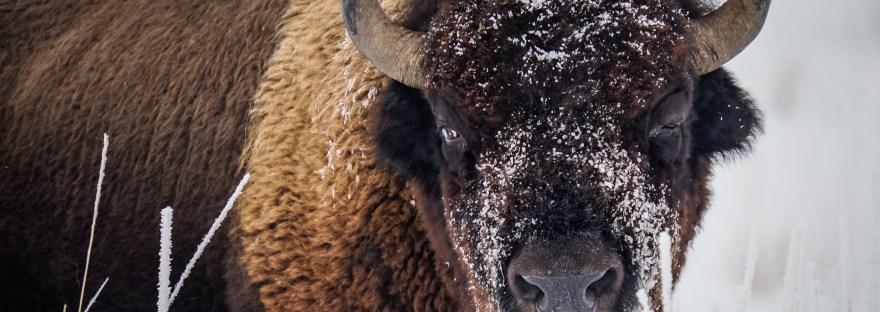
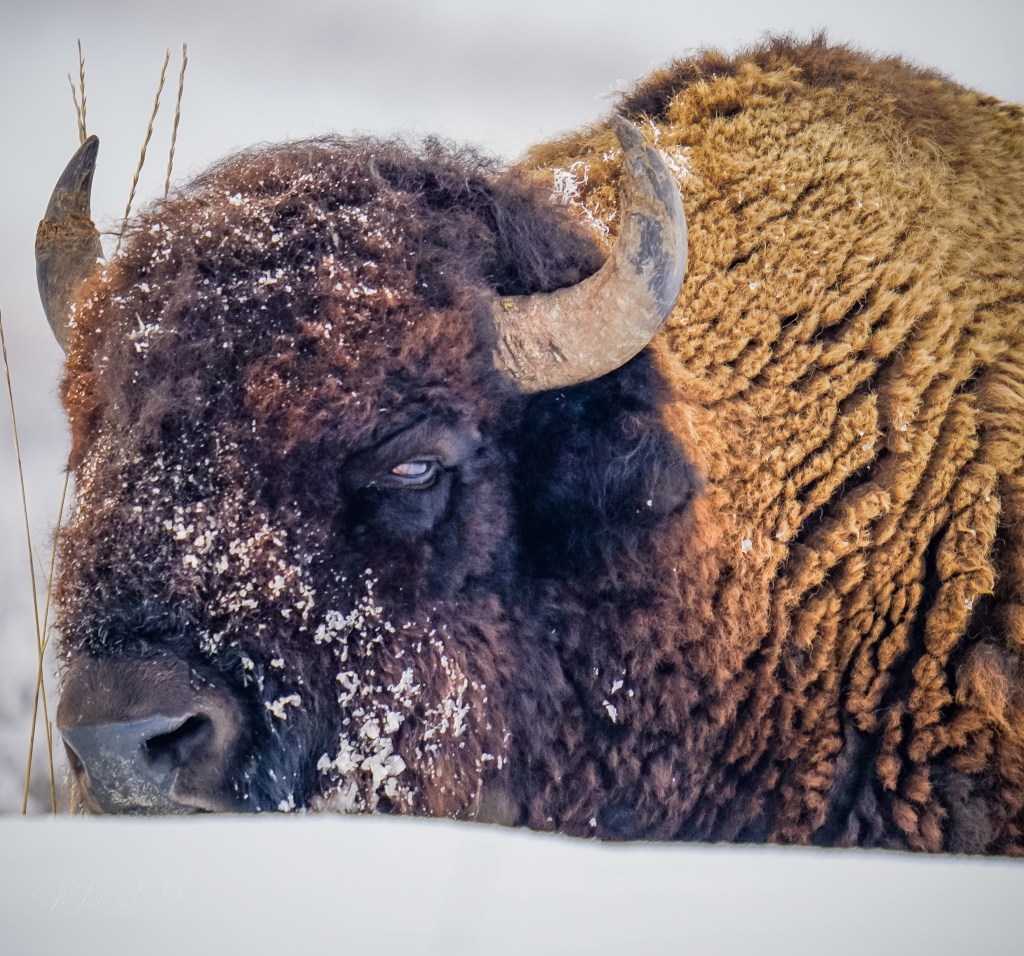
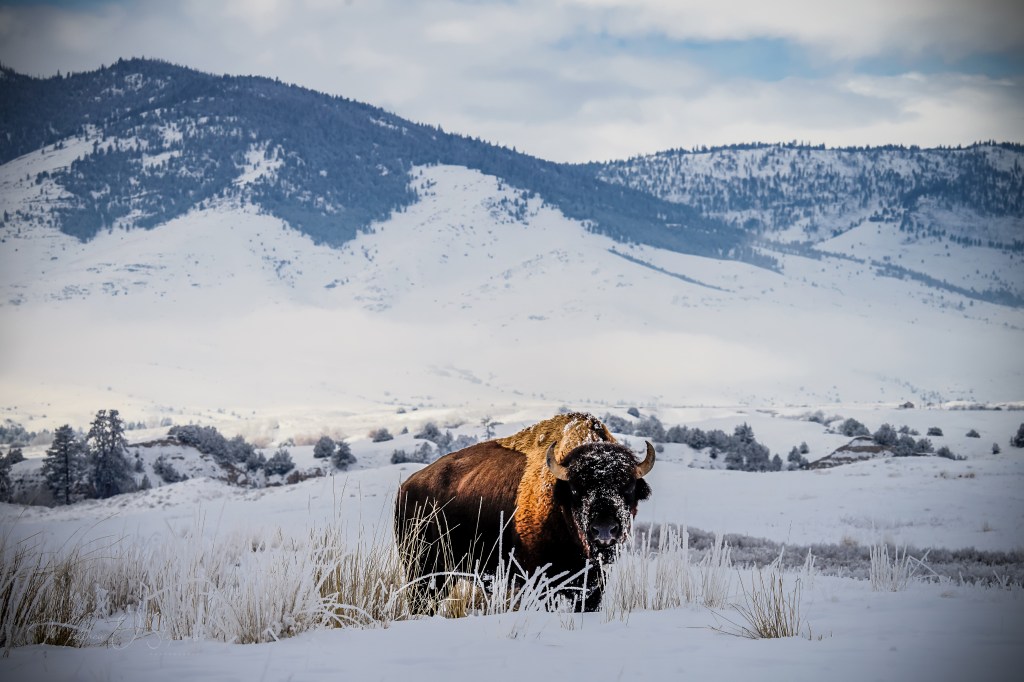
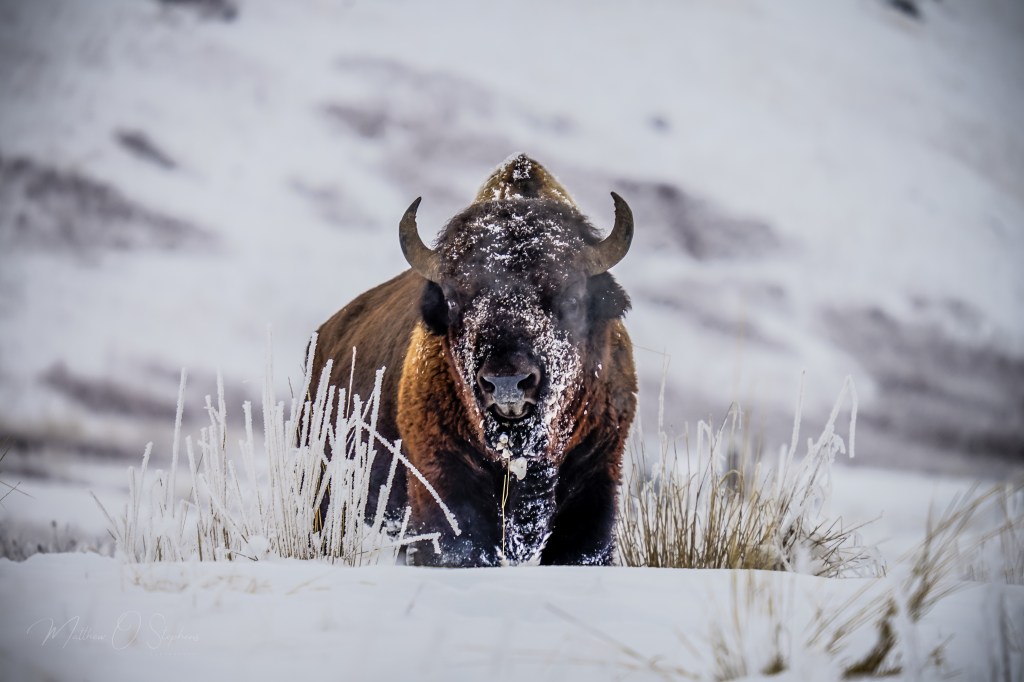
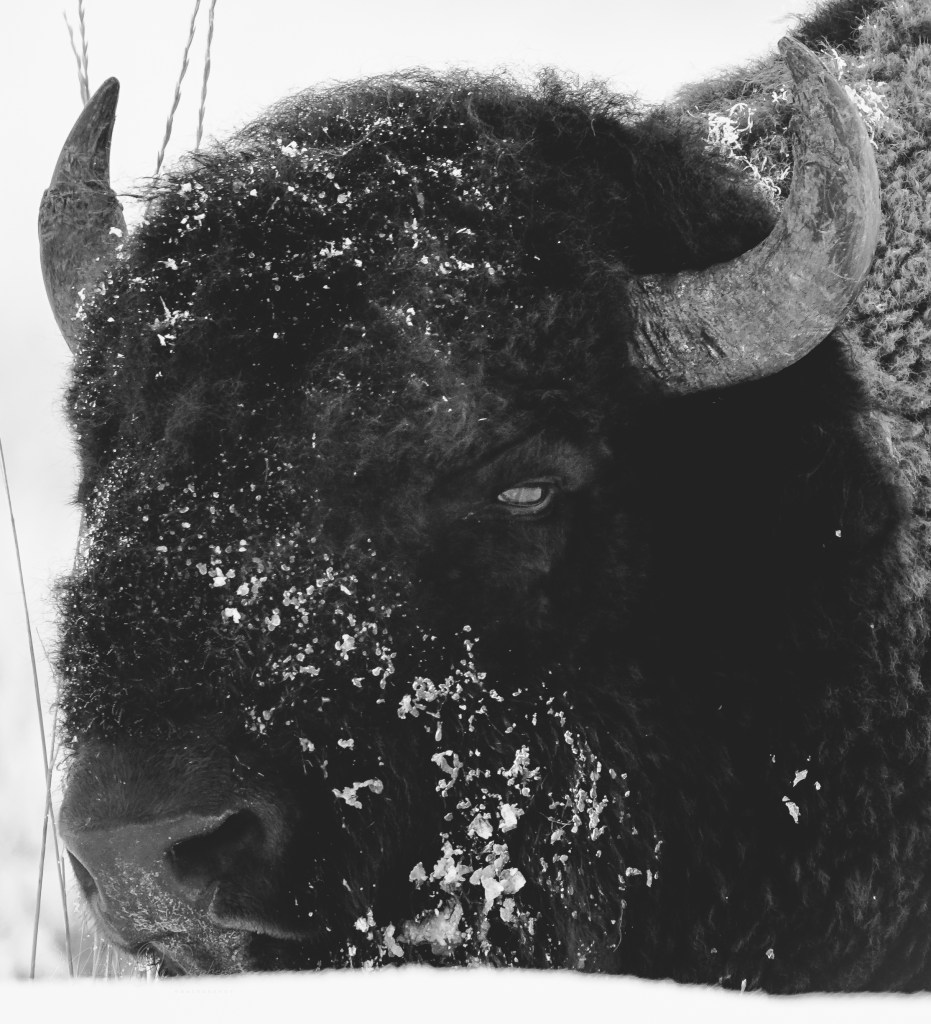
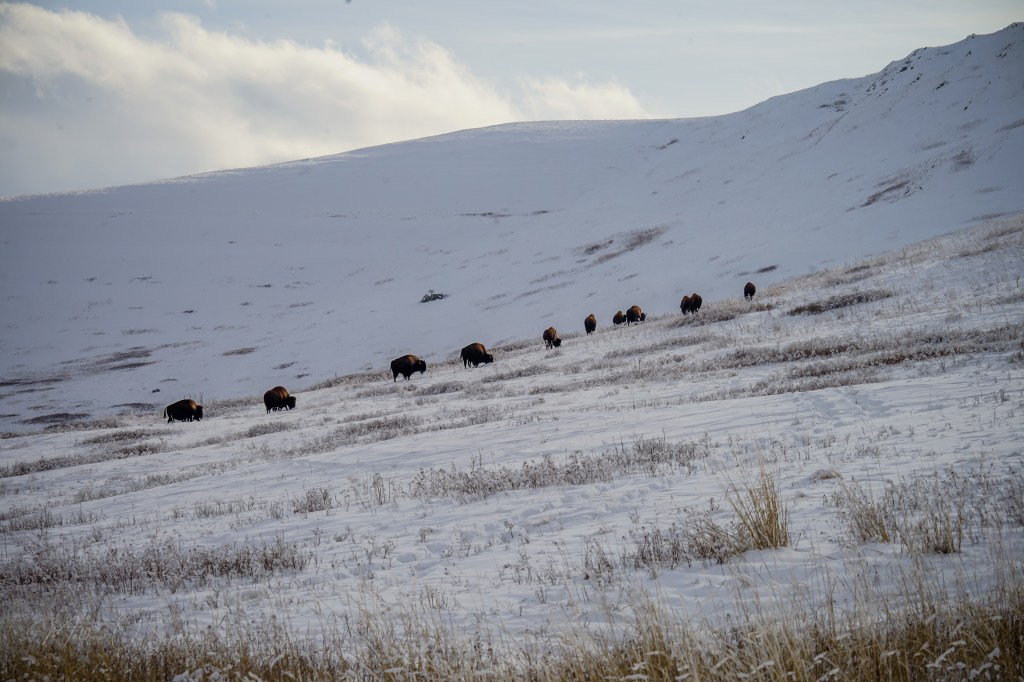
The centerpiece of the range is its herd of around 350 to 500 American bison, which roam freely across the expansive terrain. In addition to bison, visitors can spot elk, white-tailed deer, mule deer, pronghorn, and bighorn sheep. Birdwatchers will delight in the over 200 bird species that inhabit the area, including eagles, hawks, and waterfowl.

The range is located about 50 miles north of Missoula and 70 miles south of Kalispell, making it an accessible day trip for those seeking to escape the hustle and bustle of city life. Its proximity to these cities makes it a popular destination for both locals and tourists.

Tourists visiting the National Bison Range can expect a variety of activities. The refuge offers several driving routes, including the popular Red Sleep Mountain Drive, a 19-mile loop that takes visitors through some of the most scenic and wildlife-rich areas of the range. Hiking trails, picnic areas, and educational exhibits provide additional opportunities for exploration and learning.

The entrance fee to the National Bison Range is $20 per vehicle, granting access for a full day of wildlife viewing and outdoor activities. They also have options for van passes at $35 and commercial passes that will cost $60 each. The range is open year-round, but some roads and facilities may be closed during the winter months due to snow and adverse weather conditions.

The history of the National Bison Range is deeply intertwined with the conservation efforts with American bison conservation efforts. In the early 20th century, the bison population had dwindled to a few hundred individuals due to overhunting and habitat loss. The establishment of the range was a crucial step in preserving this iconic species, and today, it stands as a symbol of successful wildlife management and restoration.

For those seeking a deeper connection with nature and an appreciation of America’s natural heritage, the National Bison Range offers an unforgettable experience. From the majestic sight of bison grazing on the rolling plains to the serenity of the diverse habitats teeming with life, a visit to this Montana treasure is both an educational journey and a peaceful retreat.

Just be sure to follow all park rules and do not attempt to approach the bison.

All photos were taken by me in December 2022.


Contact Information:

National Bison Range

132 Bison Range Road, Moiese, MT 59824

Phone: (406) 644-2211

Website: National Bison Range

Uncategorized

Scotchman Peak

A treasure of north Idaho

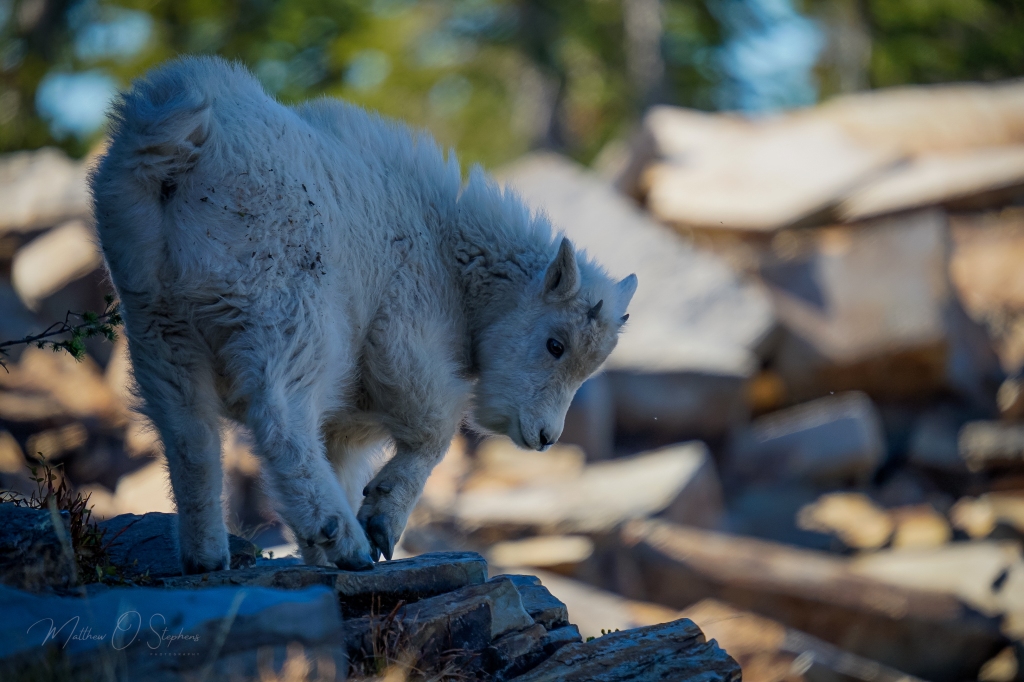
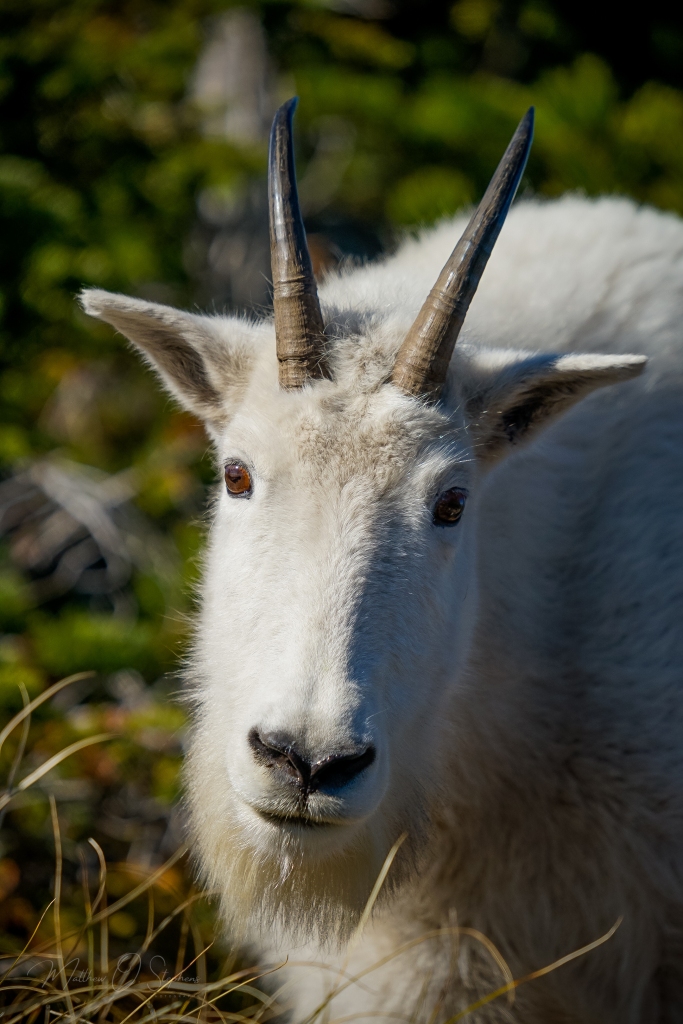
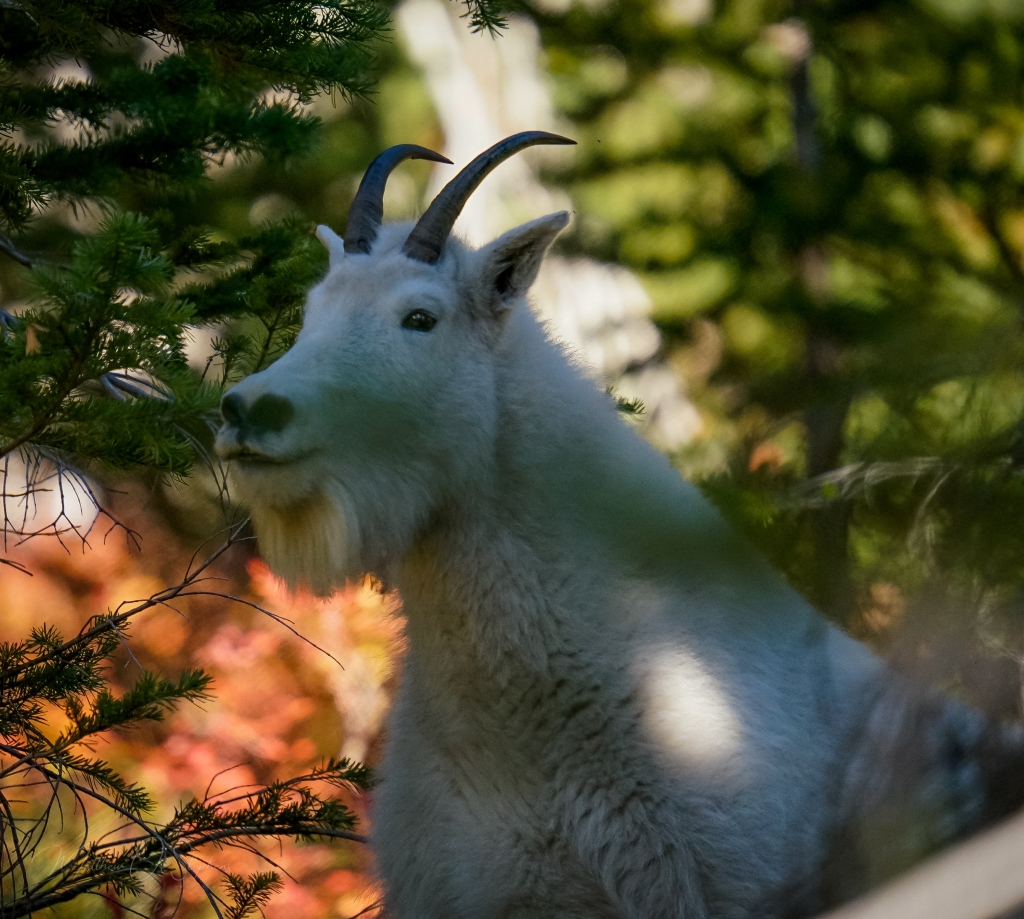
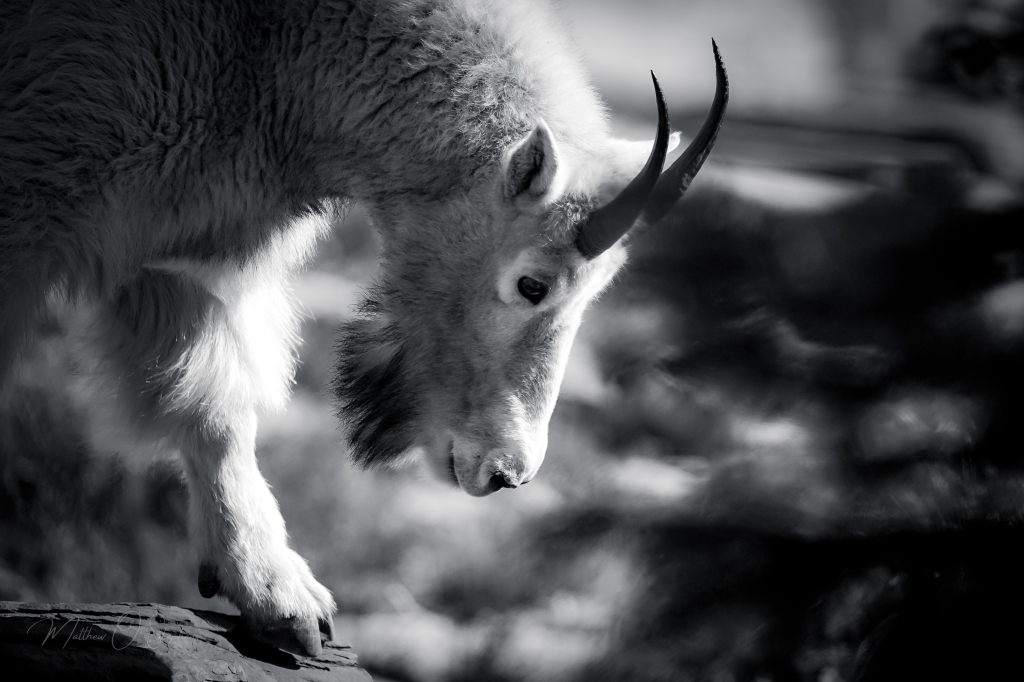
People come to visit this popular trail near Clark Fork in north Idaho for various reasons, and it is easy to understand why this hiking destination draws in so much traffic. From the scenic views of the surrounding forests and Lake Pend Oreille to the mountain goats that inhabit the summit, Scotchman Peak has a lot to offer.

The Scotchmans are the traditional homelands of the Qlispe (Kalispel), Ktunaxa (Kootenai), and Schitsu’umch (Coeur d’Alene) people.

Best times to visit are March through October, and hikers should expect a difficult hike that will take all day to complete. According to the Scotchman Peak website, trail #65 is about four miles to the summit sitting at 7009 feet in elevation and four miles back out. Much of the difficulty is the rapid elevation gain, as hikers gain 3,700 feet of elevation in four miles.

Visitors that do reach the summit will see an old fire lookout and have a good chance of running into the mountain goats that live there. This summit is also known to be the highest point in Bonner County, Idaho, and is the fifth most prominent peak in the entire state. The early part of the hike will give hikers the chance to see some wildflowers and huckleberries along the trail, but after a while the path gets into tougher rocky terrain.

The mountain goats may try to approach hikers as well, so visitors are encouraged to use caution and keep the animals away from snacks and gear to prevent goats potentially becoming habituated. They tend to look for any source of salt and may even try to lick humans or take any unsecured snacks or hiking bags. The goats can make great photography subjects, but photographers need to use a large telephoto lens as too not encroach on the animals’ space.

Mountain goats are typically pretty docile animals but can certainly be aggressive over territory and during mating season. They typically keep to themselves but can become habituated to human behavior. In fact, this trail was closed to visitors in 2015 because people were found to be feeding the animals and taking selfies with them. Some hikers were even headbutted or bitten and there have even been reports of people being gored, and goats were put down as a result. The main thing is to follow the instructions on signs posted along the trail.

Adults will grow about 3.5 feet tall at the shoulder and both males and females have beards and horns. Adult mountain goats can weigh between 100 to 300 lbs. with adult males being on the heavier side and can be very dangerous. Mountain goats are also not true goats according to National Geographic but rather a close relative. They are an even toed ungulate, and classified in the Bovidae family along with antelope, gazelles, and cattle.

These animals are made for the alpine environments at higher elevations and have the sure-footed cloven hooves to keep pretty safe from most predators in the rocky terrain. They are powerful and nimble creatures able to leap around 12 feet in a single jump.

The proposed Scotchman Peaks Wilderness area is National Forest land spanning the border of North Idaho and northwestern Montana. The 88,000-acre area doesn’t have modern roads, so it is a great opportunity for wildlife viewing or simply finding a moment of solitude. Safe hiking!

Uncategorized

Burke, Idaho

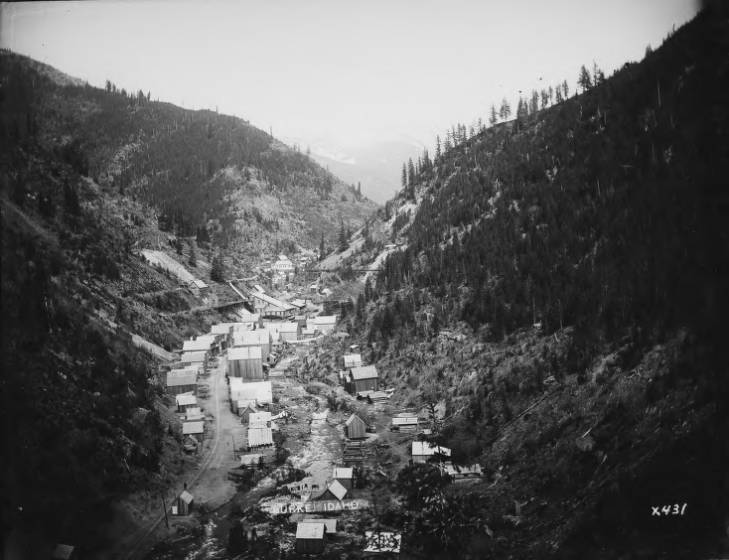
Burke is a small place tucked in a narrow canyon just a few miles from Wallace, Idaho. One of the many places of interest in north Idaho, this little ghost town faced hardship from the early days. In 1884 people in the area discovered deposits of silver, lead, and some zinc which stirred interest with a few notable people. According to https://www.onlyinyourstate.com/idaho/burke-ghost-town-id/ the Tiger mine was the first established, and it put out over 3,000 tons of ore during it’s first year.

This naturally led to a bit of a boom in the area, and in 1887 Burke was officially established. As explained by https://sfcompanion.blogspot.com/2020/06/burke-idaho-ready-for-almost-century-of.html?fbclid=IwAR2JEKUiQlvcFc9o-CPoS9iDHVOyaIginBxCSoHAVI8HMHMzDtUvlHXcz00, the town got it’s namesake from John M. Burke, who was a Virginian man that had been a banker in Utah. In fact the people that had discovered the mines didn’t have the resources to further develop the area, and thus bonded their claims to Burke. The biggest issue they faced early on was how to fit a thriving mining community in such a narrow canyon. The canyon measuring 300 feet wide proved difficult to build in, but they improvised and brought some unique ideas to life.

Tiger Hotel 1949-Reference link found below

Most notable of these constructs was the Tiger Hotel, which was the only hotel to be built with a road and train tracks going through part of the lobby. Builders also had to keep the substructure of the motel raised to allow Canyon Creek to flow underneath the building. This hotel had 150 rooms, and at it’s peak was said to feed around 1,200 people a day. It was even said the trains could be found parked in the lobby, because the engineers loved the food that came out of the beanery at the hotel. Most accounts tell a tale well respective of the Tiger Hotel, although it was sold and thus dismantled in 1954.

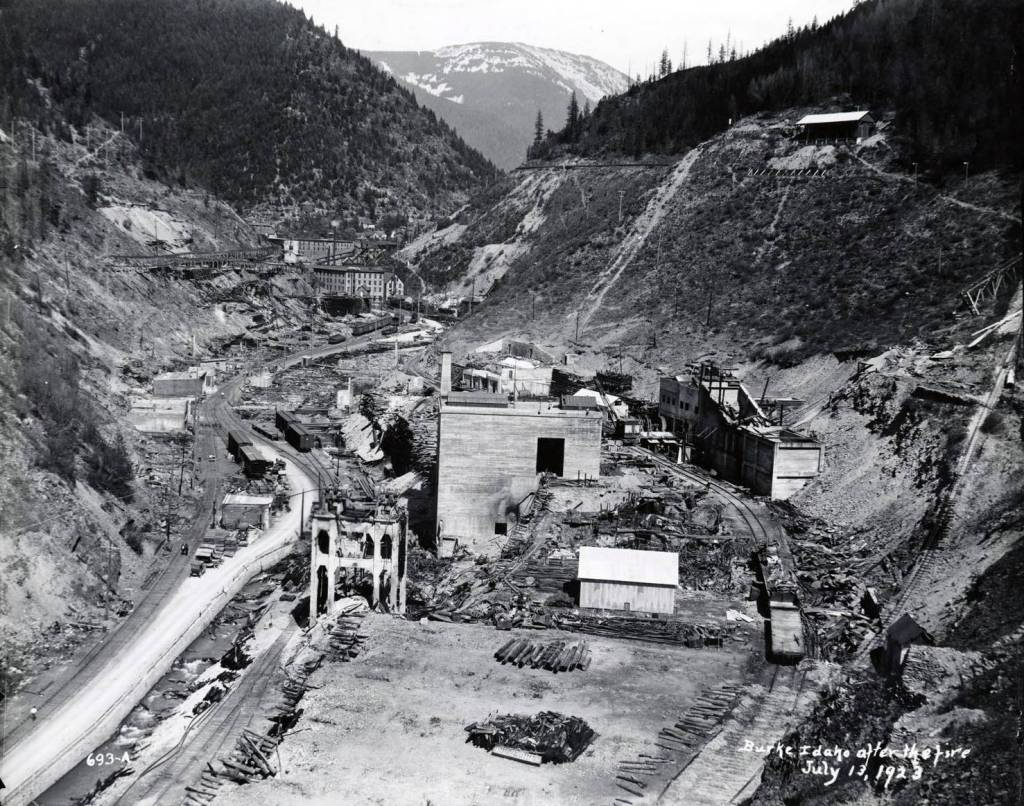
The town survived several natural disasters including avalanches, floods, and a devastating fire in 1923, the people continued to rebuild. A United Press Dispatcher recounted the events as detailed on https://westernmininghistory.com/towns/idaho/burke/, as quoted,

WALLACE, Ida., July 14. The town of Burke, seven miles east of here, lies in ruins as the result of a fire caused by a spark from a locomotive. Over fifty business houses of Burke’s main street were destroyed and practically all of the residences are gone. Four hundred and forty miners were forced to flee to the depths of the Hecla lead and silver mine. A high wind rendered dynamite ineffectual. All of the mine company’s buildings on the surface were destroyed. The damage is estimated at a million. Six hundred people are homeless. Army tents have been received from Fort George Wright at Spokane for the homeless.

Burke after the fire of 1923-Reference link found below

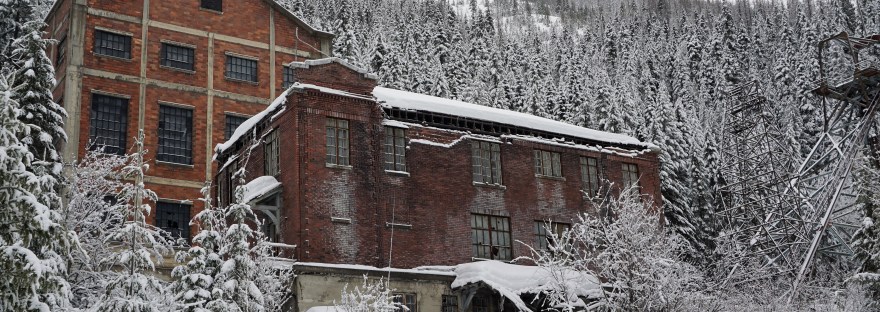
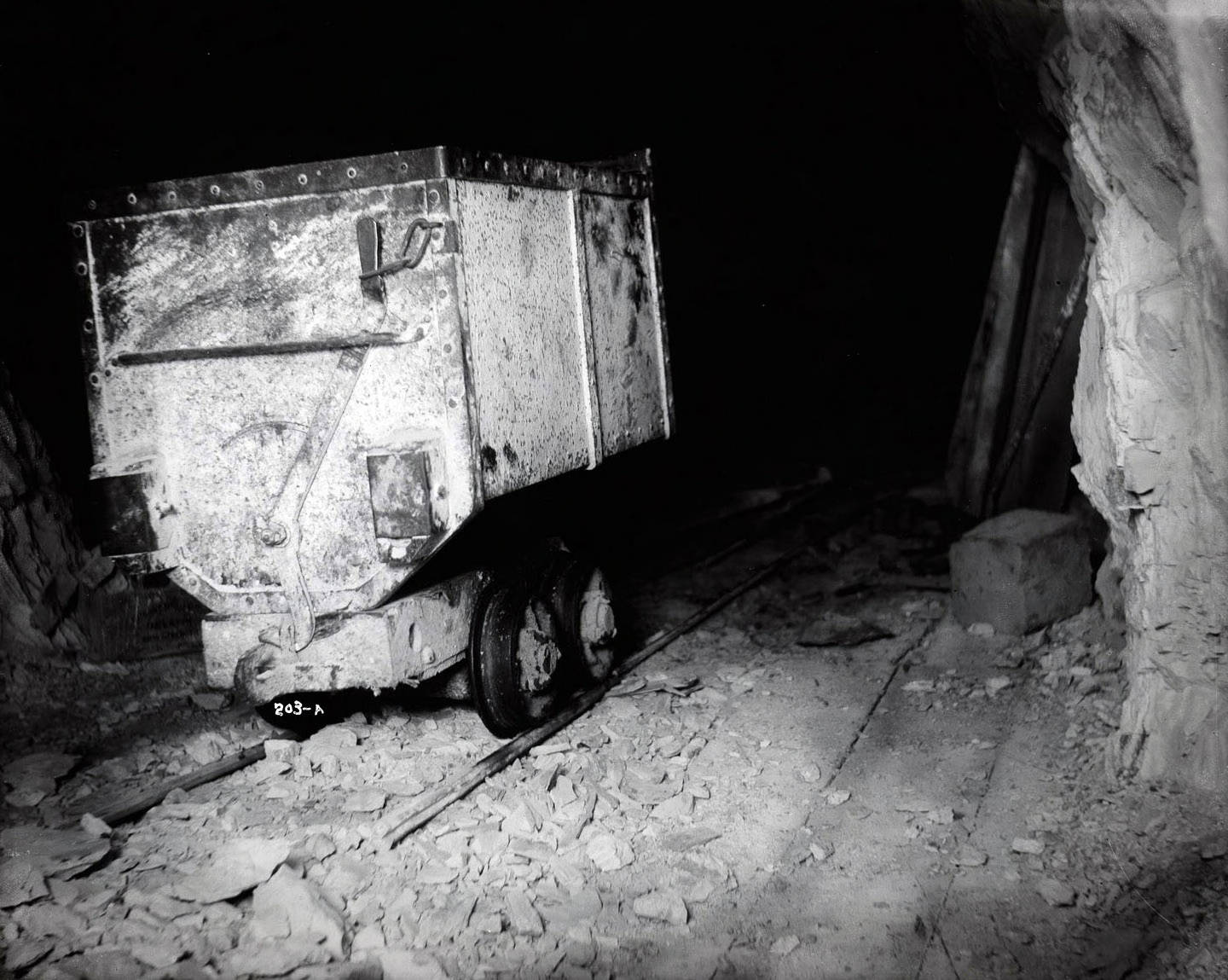
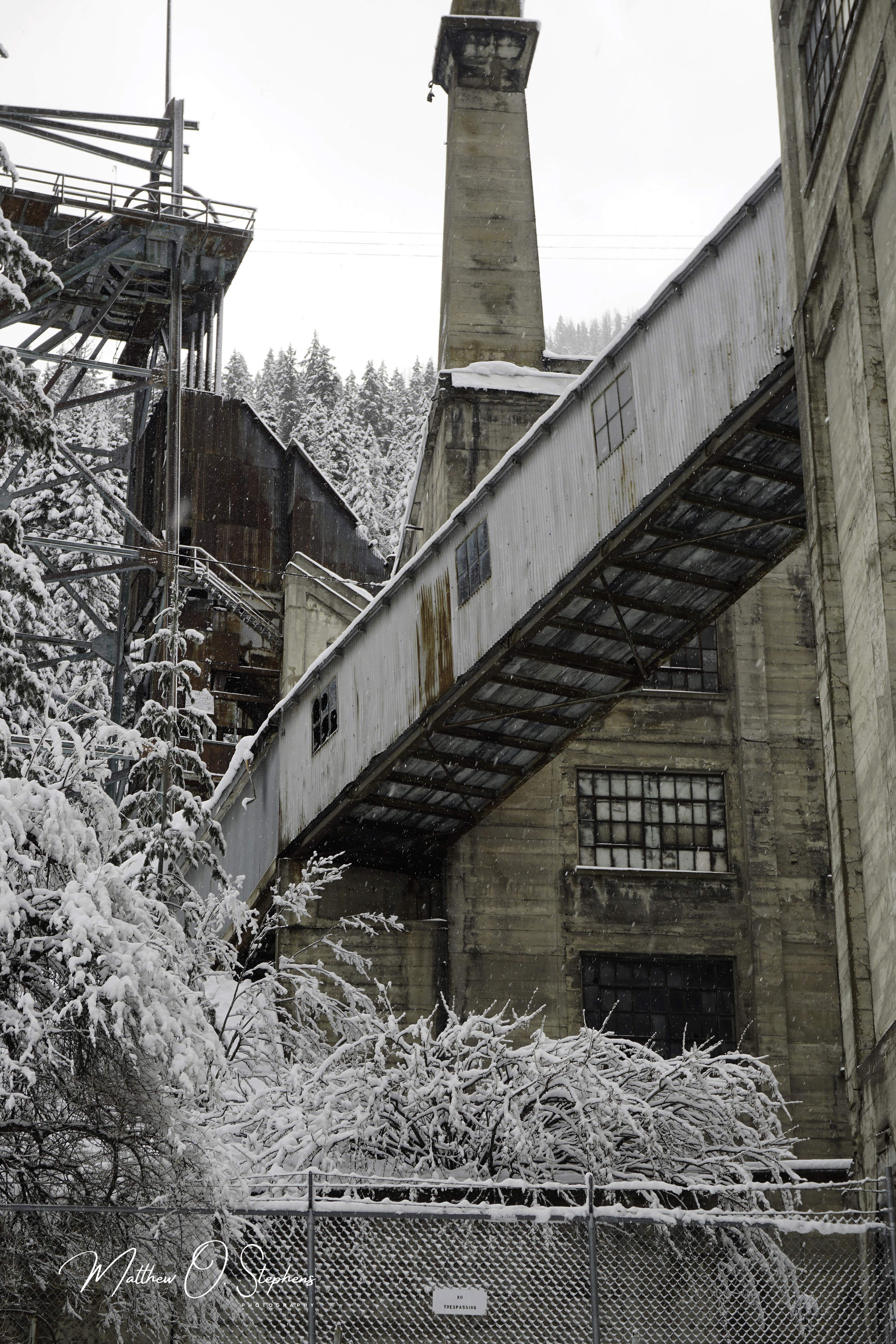
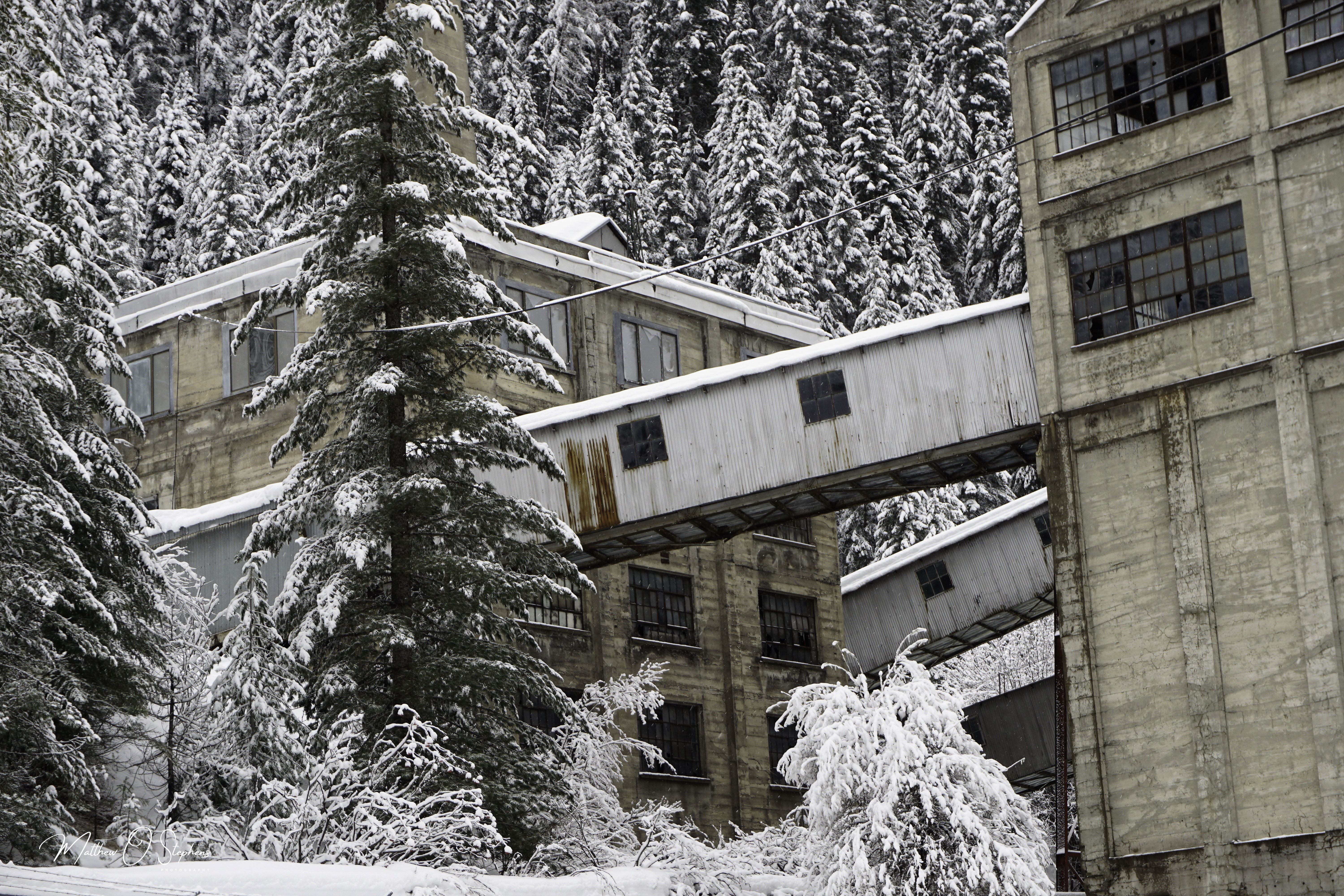
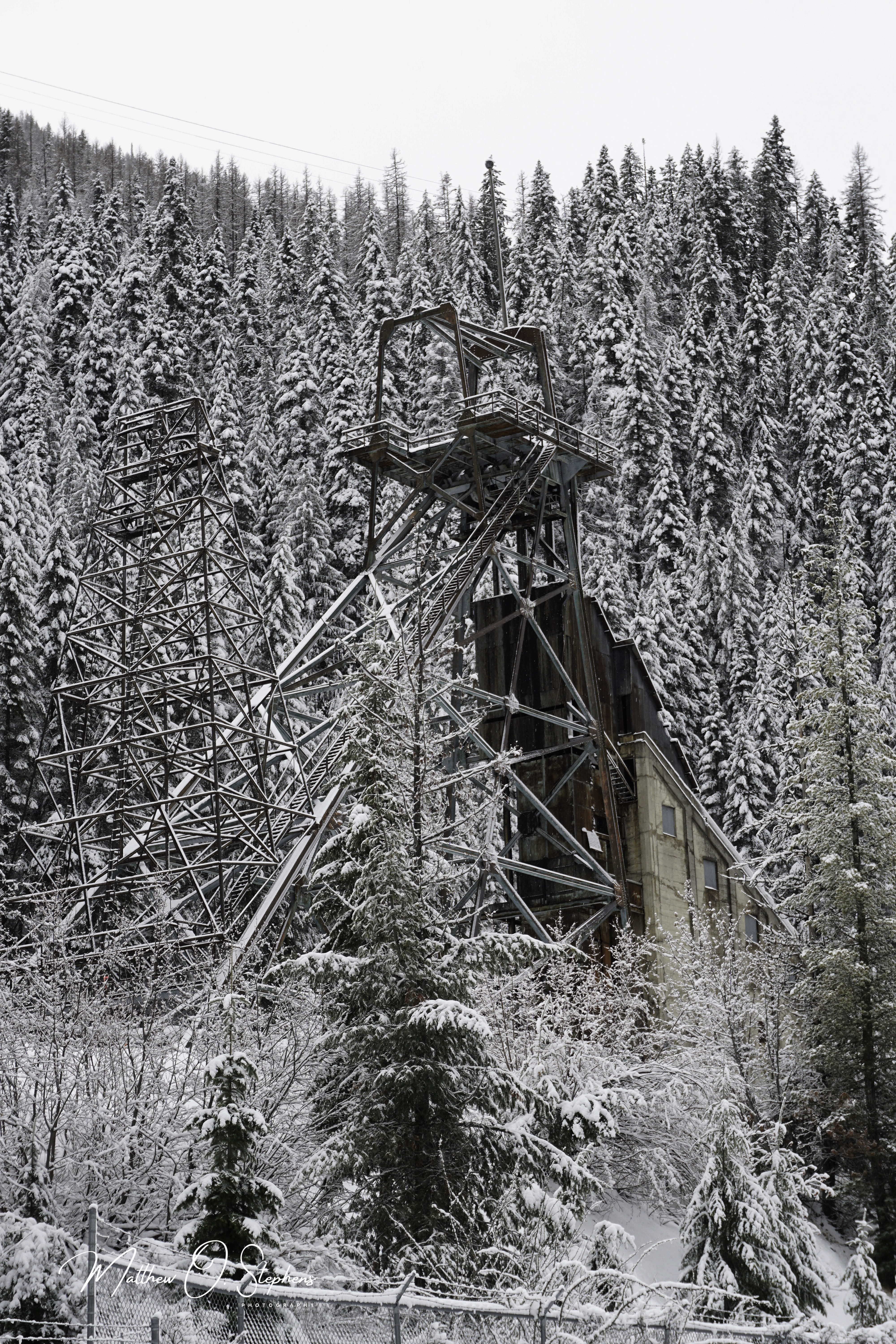
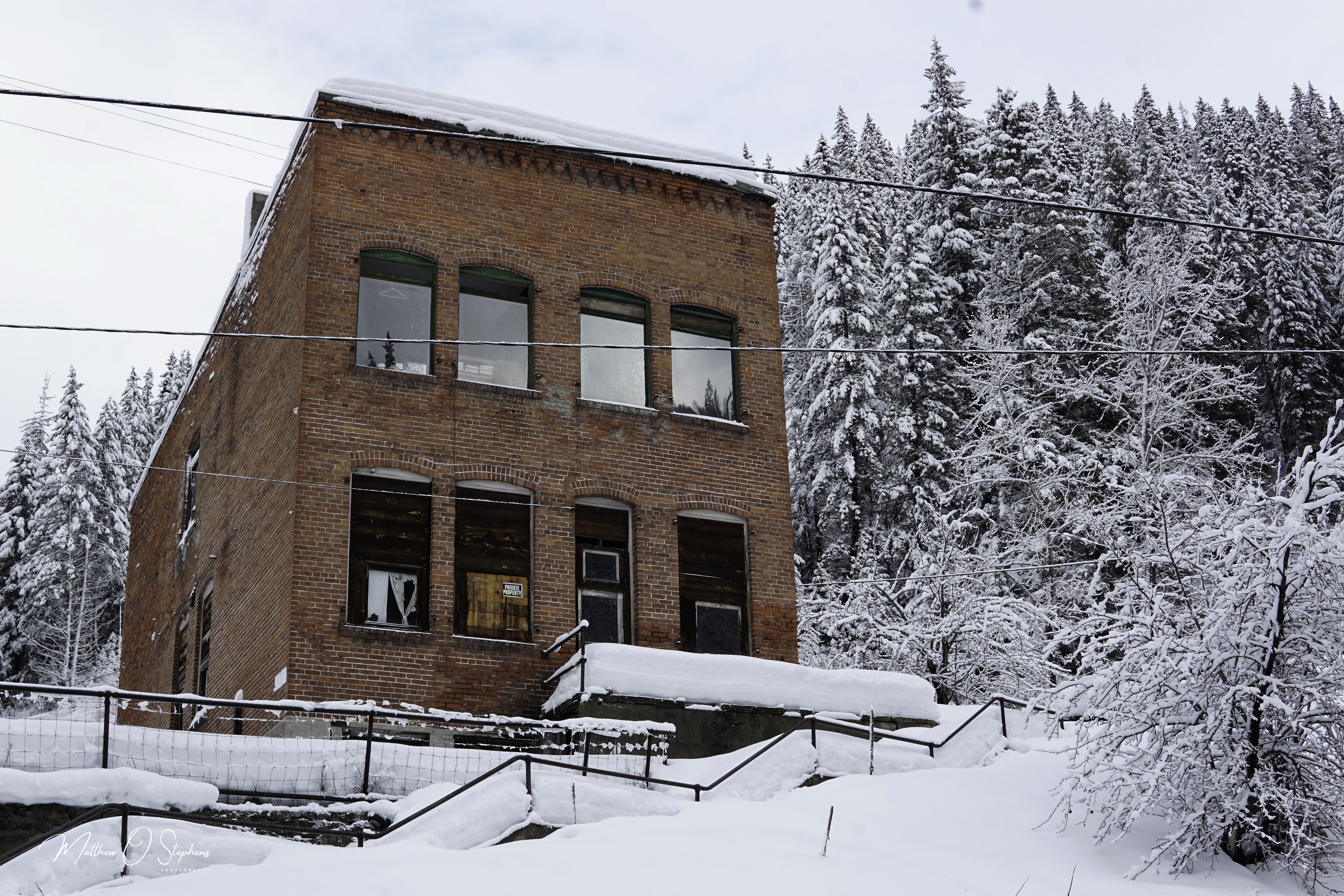
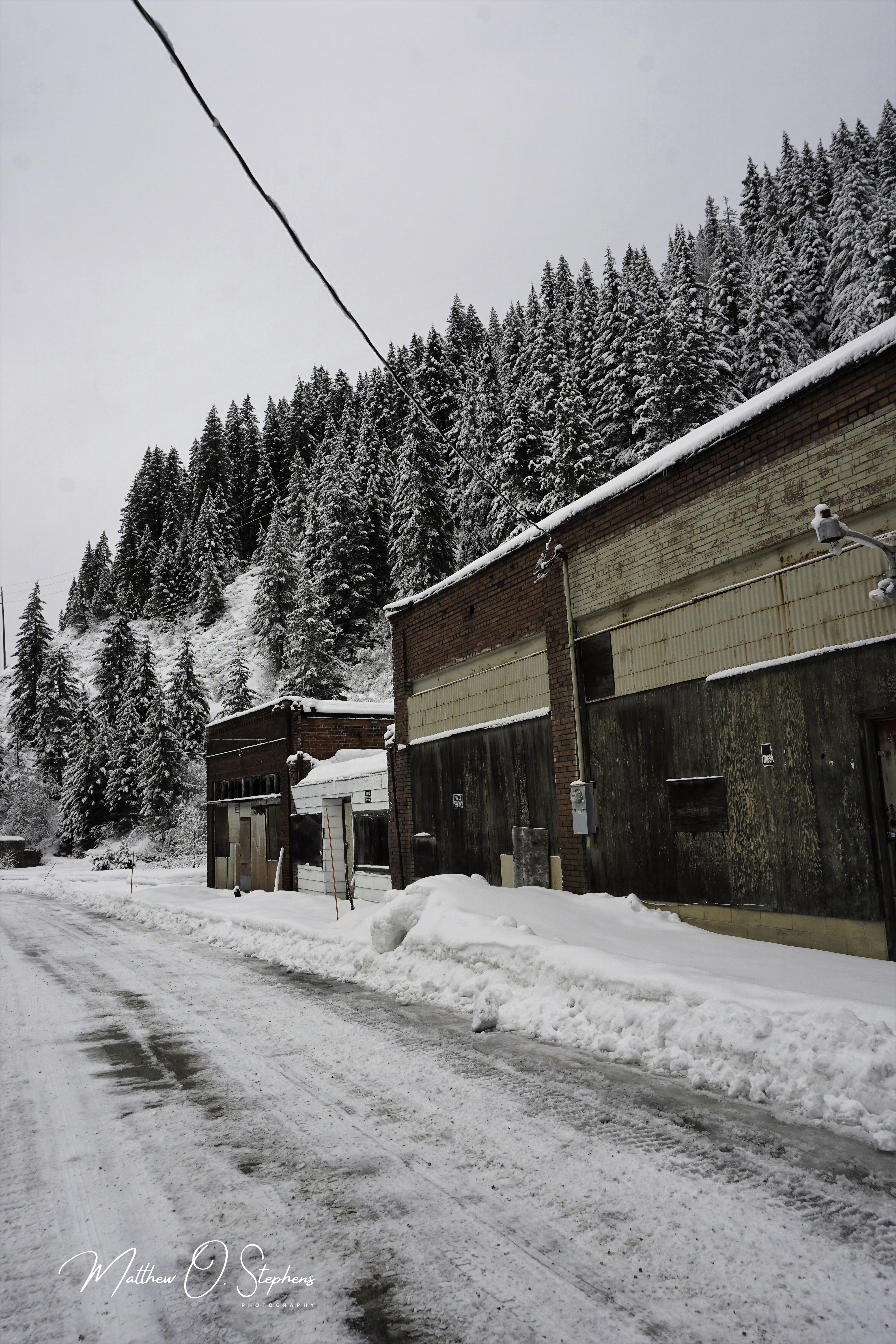
The mines continued to show their worth in production, but slowly they were closed down. This forced many of the workers to move and go elsewhere for work, leading to a continued decline in the population of this once thriving town. Now Burke is another ghost town, and the main buildings that remain are the colossal mining facilities, a few old storefronts, and an aging office building in which decaying books can still be seen through the windows. There are still some folks that live out there also, but only a handful.

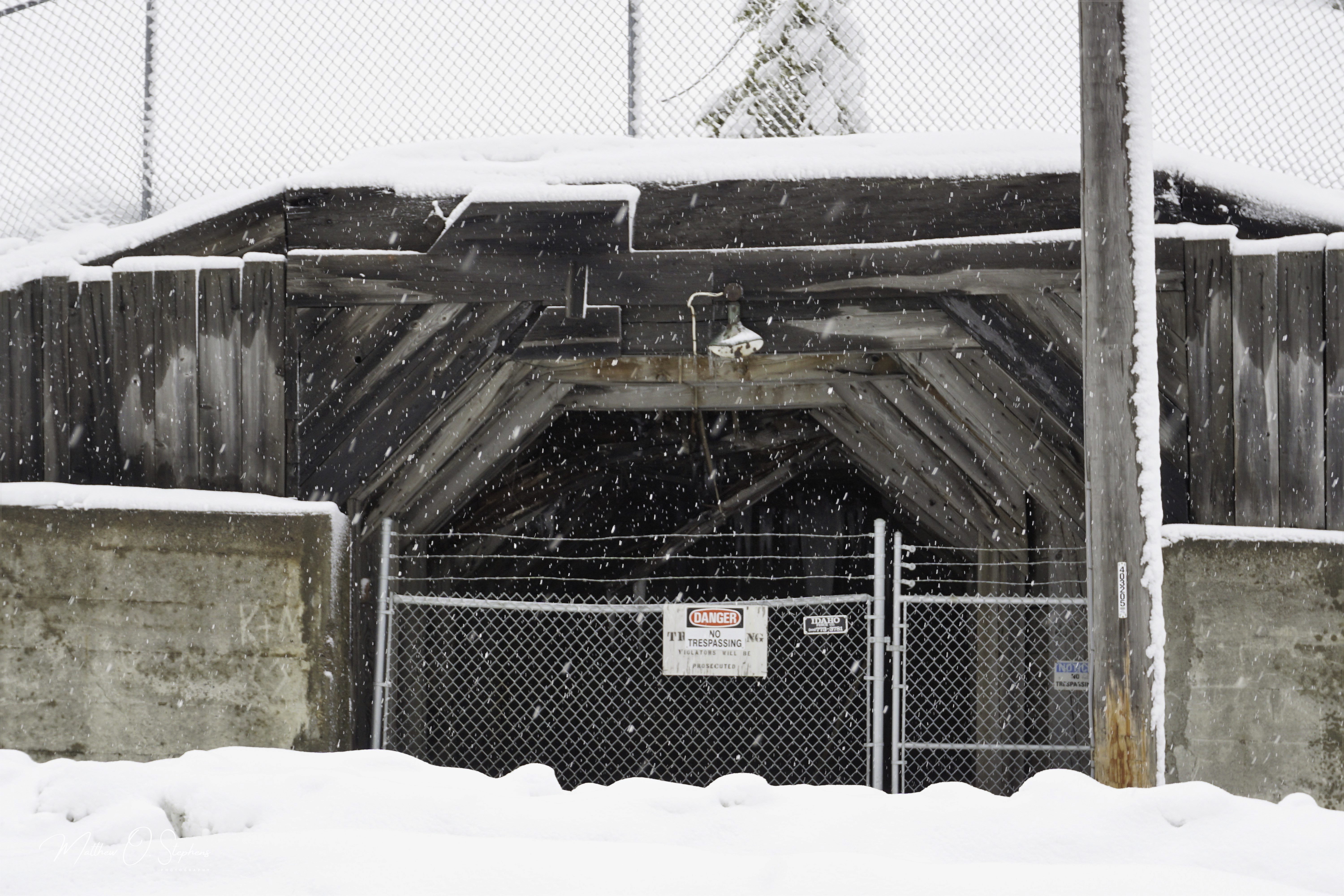
General Disclaimer: If you ever visit Burke please remember that people do live out there, and still own many of the buildings that stand. The buildings are marked “No Trespassing” for a reason, and that should be respected. Please be courteous, but also enjoy the incredible nostalgic feeling.

All of the modern photos were taken by Matthew O. Stephens Photography

Historic Photo References:

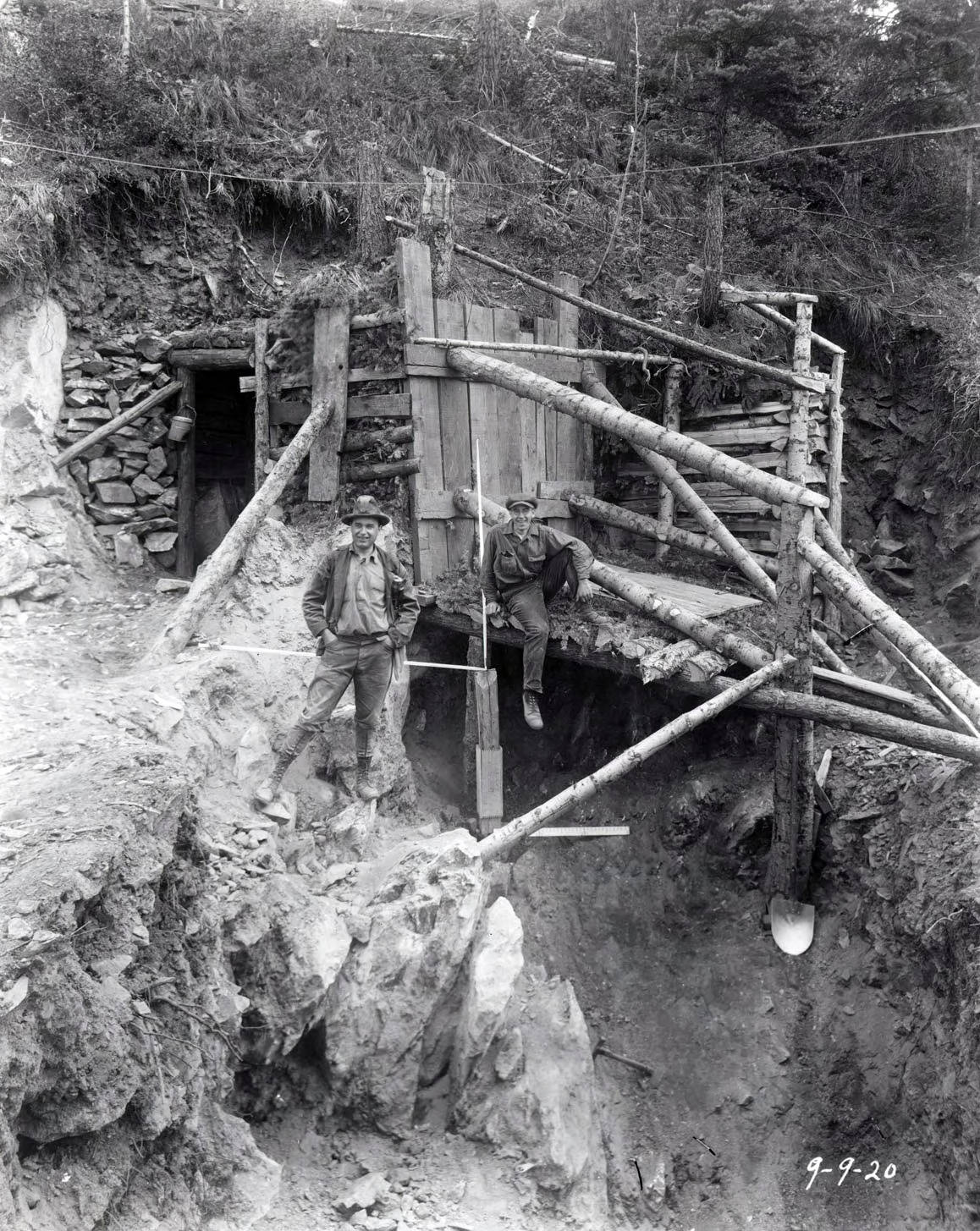
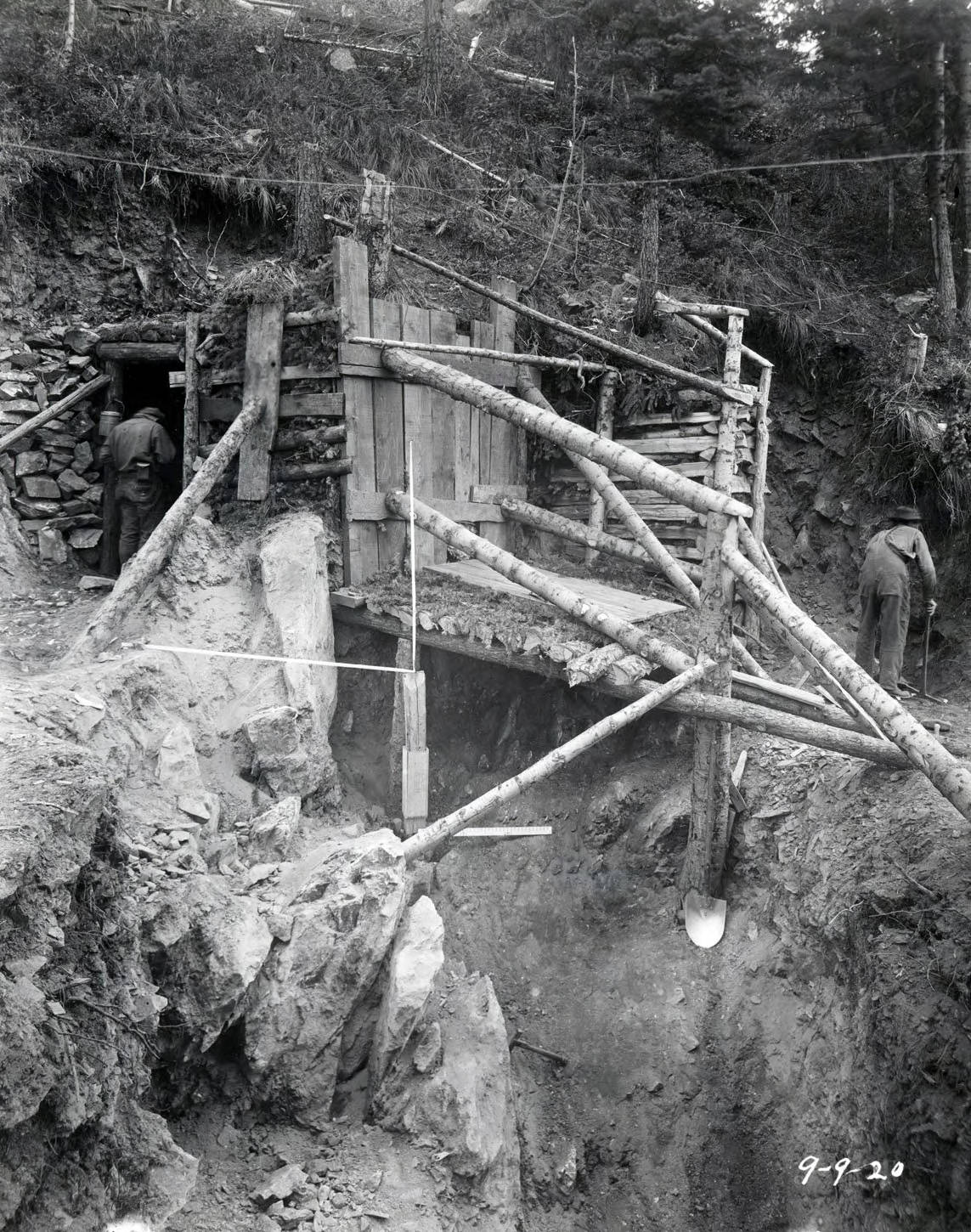
“Hecla Mine, Burke (Idaho) 1920 [09]”, Barnard-Stockbridge Photograph Collection, Digital Initiatives, University of Idaho Library https://www.lib.uidaho.edu/digital/barstock/items/barstock643.html

“Burke (Idaho), 1907 [02]”, Barnard-Stockbridge Photograph Collection, Digital Initiatives, University of Idaho Library https://www.lib.uidaho.edu/digital/barstock/items/barstock425.html

“Burke Fire [06]”, Barnard-Stockbridge Photograph Collection, Digital Initiatives, University of Idaho Library https://www.lib.uidaho.edu/digital/barstock/items/barstock1563.html

“Tiger Hotel [01]”, Barnard-Stockbridge Photograph Collection, Digital Initiatives, University of Idaho Library https://www.lib.uidaho.edu/digital/barstock/items/barstock1919.html

“Marsh Mining Co., Burke (Idaho) [02]”, Barnard-Stockbridge Photograph Collection, Digital Initiatives, University of Idaho Library https://www.lib.uidaho.edu/digital/barstock/items/barstock169.html

“Hecla Mine, Burke (Idaho) 1920 [11]”, Barnard-Stockbridge Photograph Collection, Digital Initiatives, University of Idaho Library https://www.lib.uidaho.edu/digital/barstock/items/barstock645.html

“Hercules Mining Company [05]”, Barnard-Stockbridge Photograph Collection, Digital Initiatives, University of Idaho Library https://www.lib.uidaho.edu/digital/barstock/items/barstock1279.html

PG 8, Barnard-Stockbridge Collection, University of Idaho Library Special Collections and Archives, http://www.lib.uidaho.edu/special-collections/ http://contentdm.lib.uidaho.edu/u?/barstock,849

All of the historic images referenced can be found at The University of Idaho, Barnard-Stockbridge Photograph Collection, and they state the rights as follows: Material has passed into Public Domain based on date of creation. Digital reproduction permissions assigned by University of Idaho Library. For more information, please contact University of Idaho Library Special Collections and Archives Department at libspec@uidaho.edu. https://creativecommons.org/publicdomain/mark/1.0/