Uncategorized

Lake Coeur d’Alene: Idaho’s Year-Round Gem

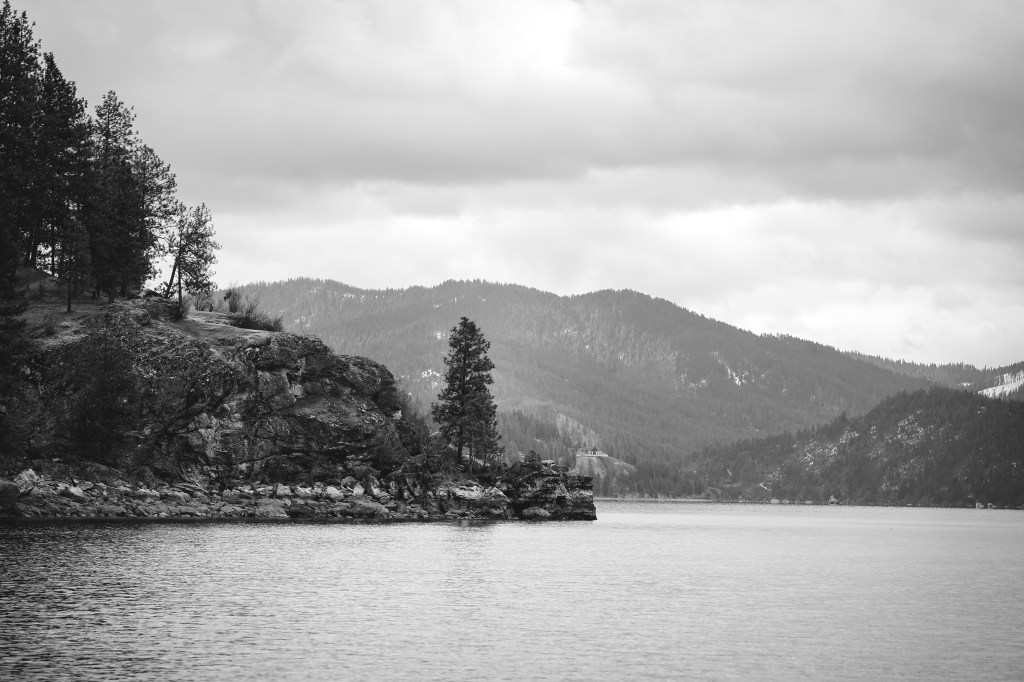
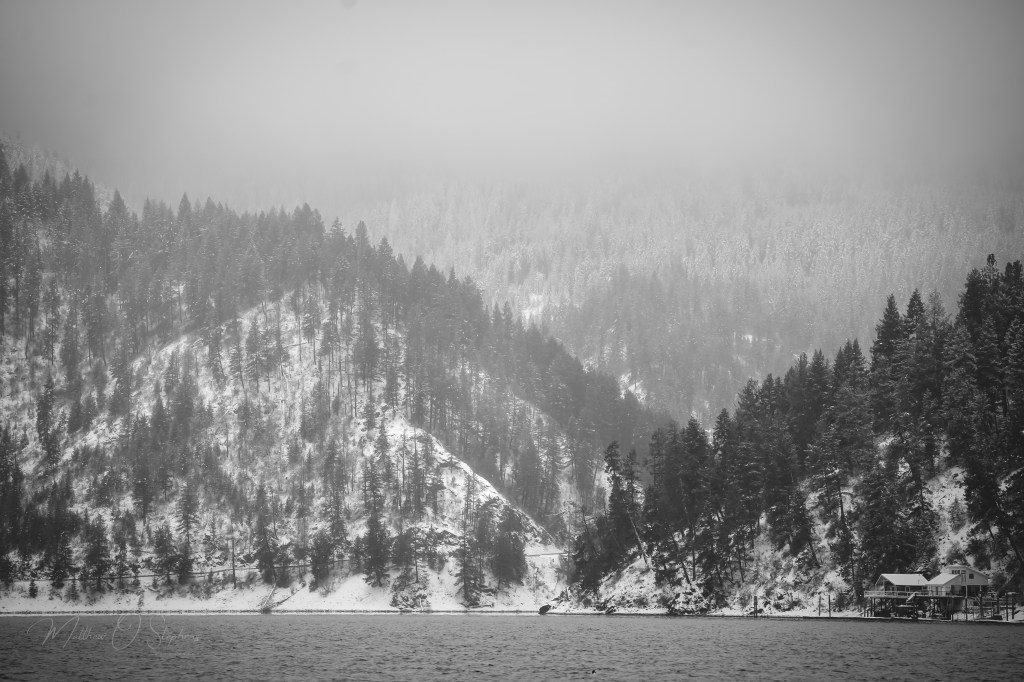
COEUR D’ALENE, Idaho — Nestled in the northern panhandle of Idaho, Lake Coeur d’Alene stretches across 25 miles, offering a haven for nature lovers, anglers, and adventure seekers alike. This glacially-formed lake, spanning 49 square miles with depths reaching up to 220 feet, has a rich history and a vibrant ecosystem, making it a year-round destination for tourists.

The lake’s name originates from the Coeur d’Alene Native American tribe, who have lived in the region for centuries. European fur traders in the early 19th century dubbed the tribe “Coeur d’Alene,” meaning “heart of an awl,” in reference to their shrewd trading practices. The city of Coeur d’Alene, founded in 1878, grew rapidly with the arrival of the Northern Pacific Railroad and the mining boom of the late 19th and early 20th centuries. Silver, lead, and zinc were extracted from nearby mountains, contributing to the area’s economic development.

In the early 20th century, timber also played a significant role in the region’s economy, with large logging operations taking place around the lake. The historic steamboats that once transported timber and ore now serve as a reminder of the area’s industrious past. Today, Coeur d’Alene has transformed into a vibrant city with a population of approximately 55,000, experiencing steady growth due to its scenic beauty and quality of life.

Anglers are drawn to Lake Coeur d’Alene for its diverse fish population. The lake is home to species such as Chinook salmon, rainbow trout, largemouth and smallmouth bass, northern pike, crappie, and kokanee salmon. The variety of fish ensures that whether you are a seasoned angler or a beginner, there is always a catch waiting. The lake hosts several fishing tournaments throughout the year, including the annual Big One Chinook Derby, attracting anglers from all over the country.

Warmer months invite people who enjoy boating, swimming, and kayaking. The lake’s clear waters and scenic surroundings are also perfect for paddleboarding and jet-skiing. The Coeur d’Alene Resort offers boat rentals and lake tours, providing stunning views of the area. Scenic cruises are available, offering a relaxing way to explore the lake while enjoying commentary on the region’s history and wildlife.

The Fourth of July fireworks show over the lake is another summer highlight, always drawing a large crowd.

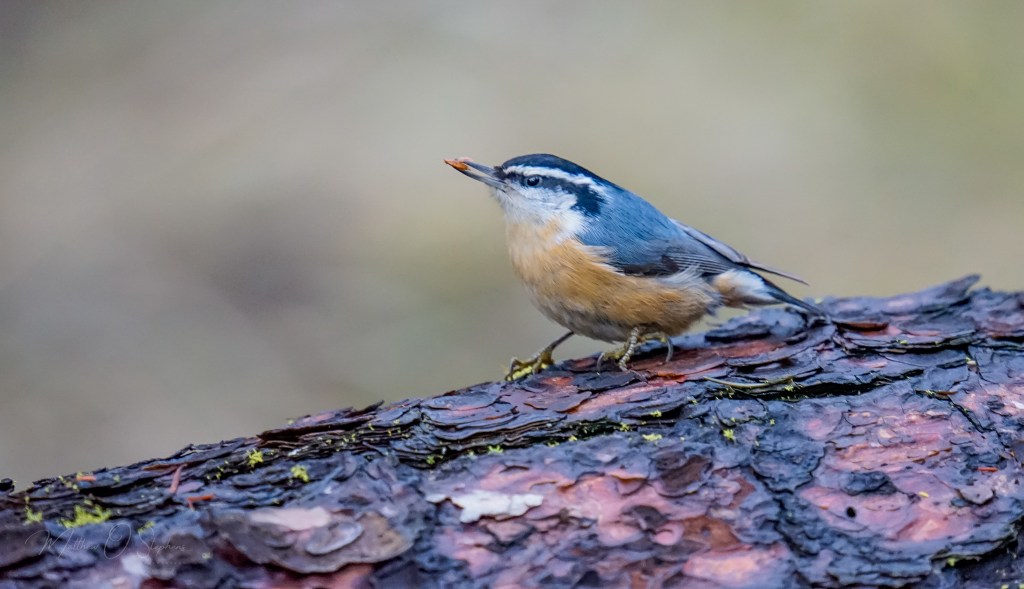
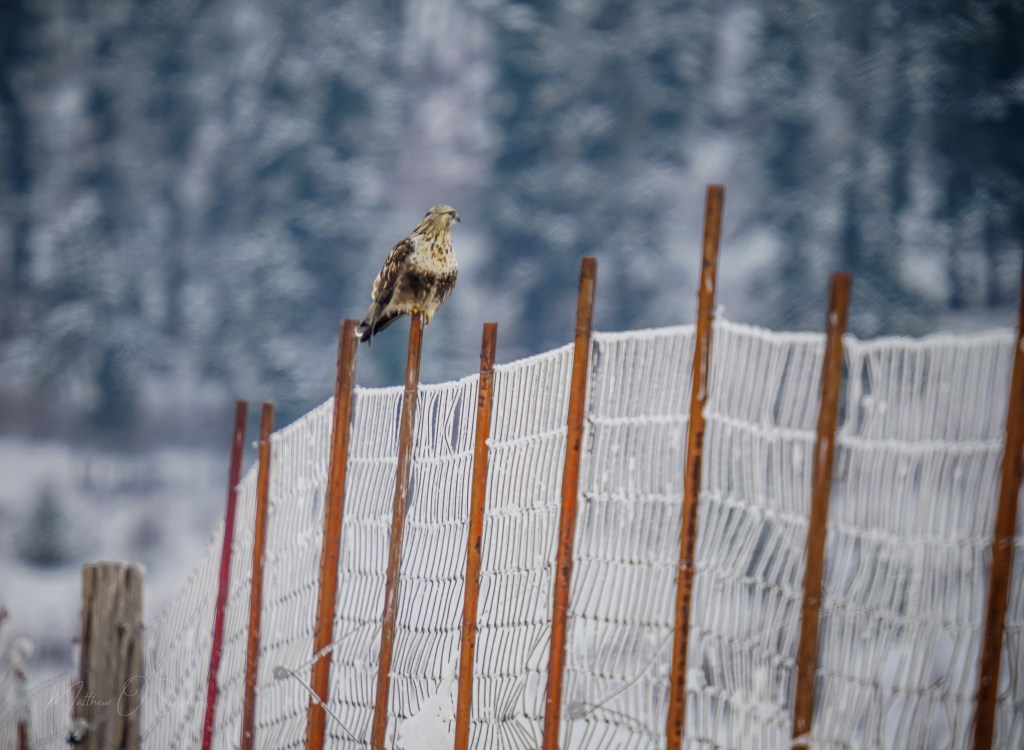
As the leaves turn for the approach of Autumn, hiking and biking trails around the lake become a tapestry of Fall colors. These trails offer panoramic vistas of the lake and surrounding forests, making them popular among photographers and nature enthusiasts. Fall is also an excellent time for birdwatching, as migratory birds make their way through the region.
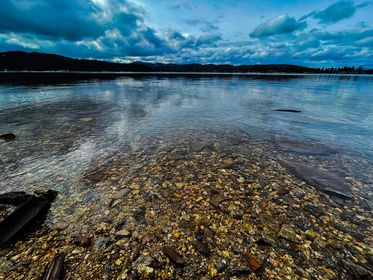
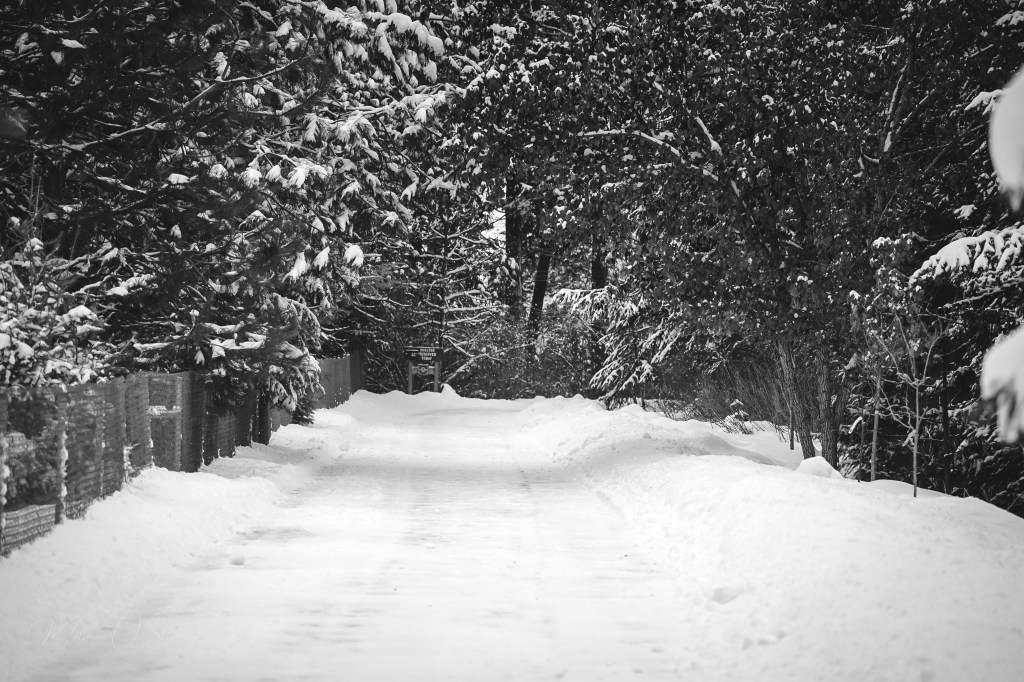
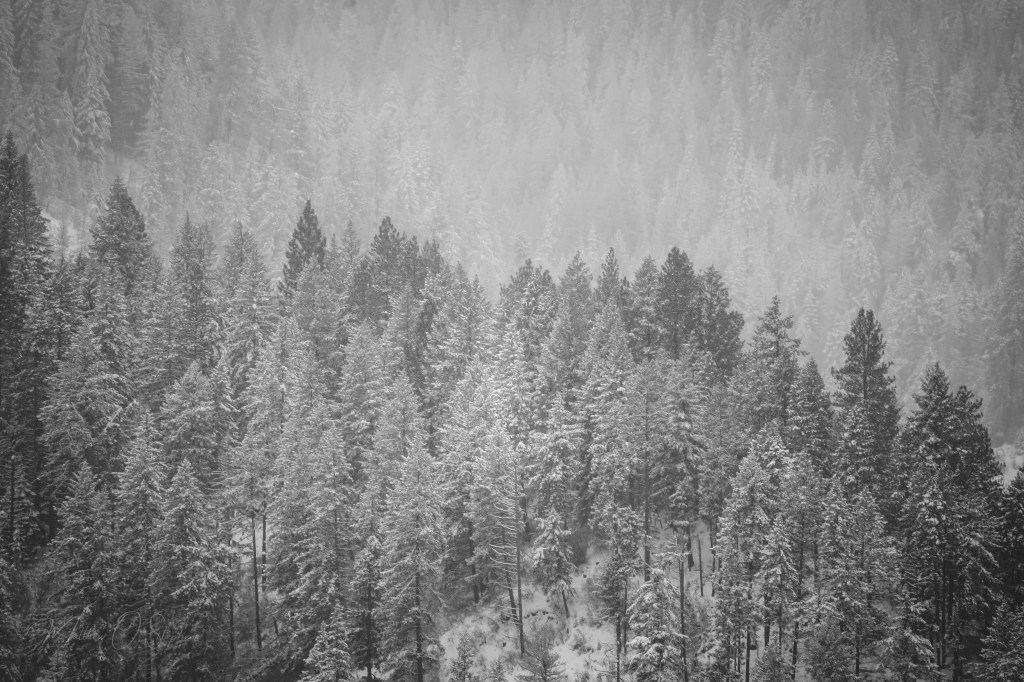
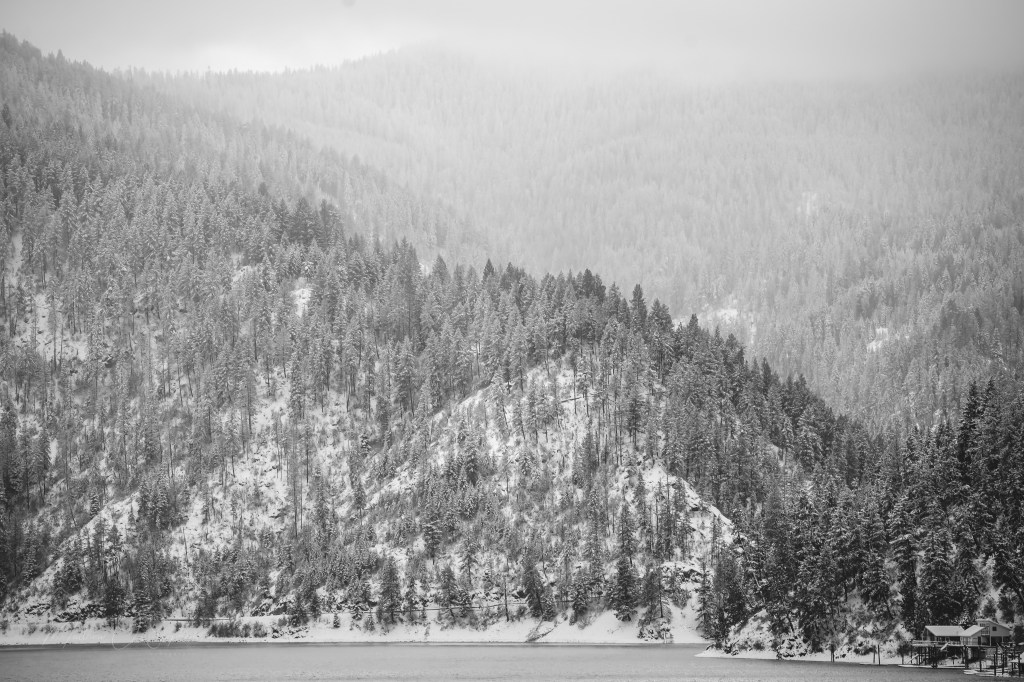
Winter transforms Lake Coeur d’Alene into a serene wonderland. Winter sports enthusiasts can enjoy snowshoeing and cross-country skiing on trails around the lake, while nearby ski resorts offer downhill skiing and snowboarding.

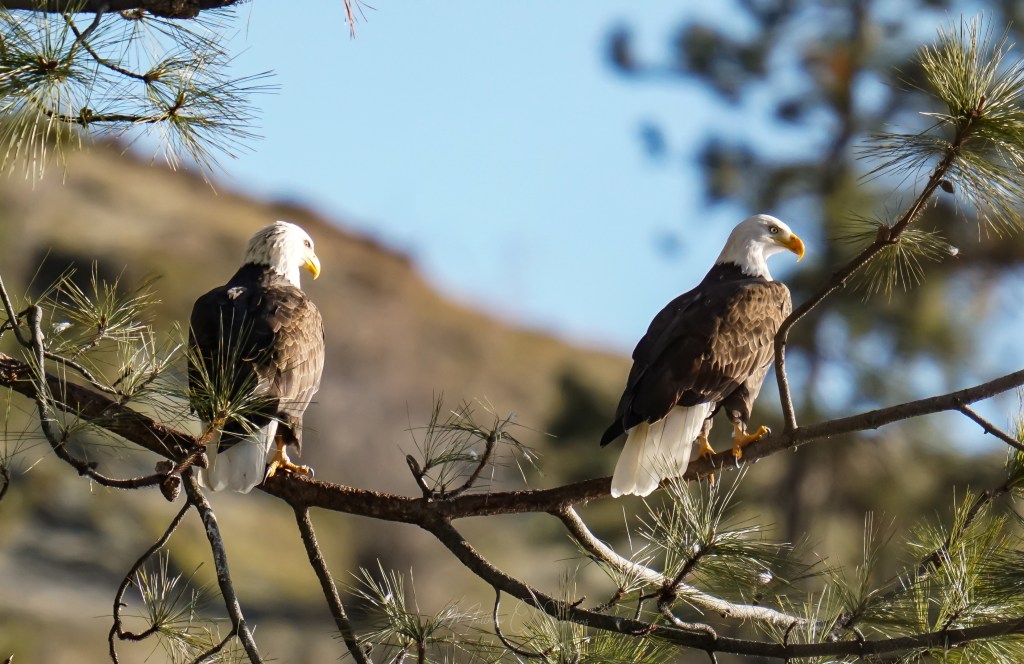
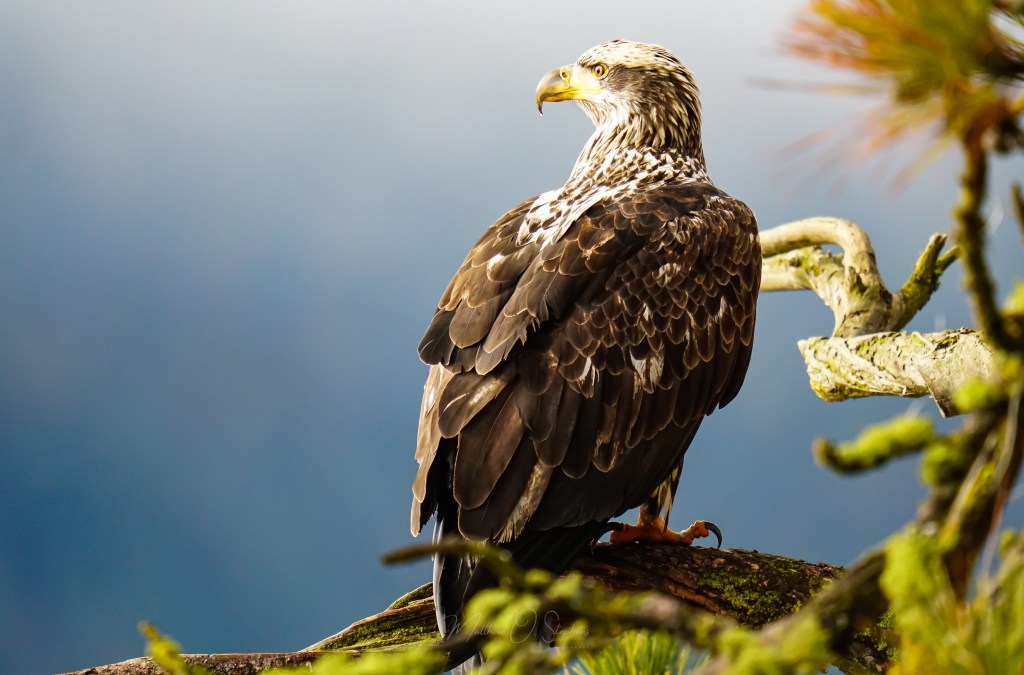
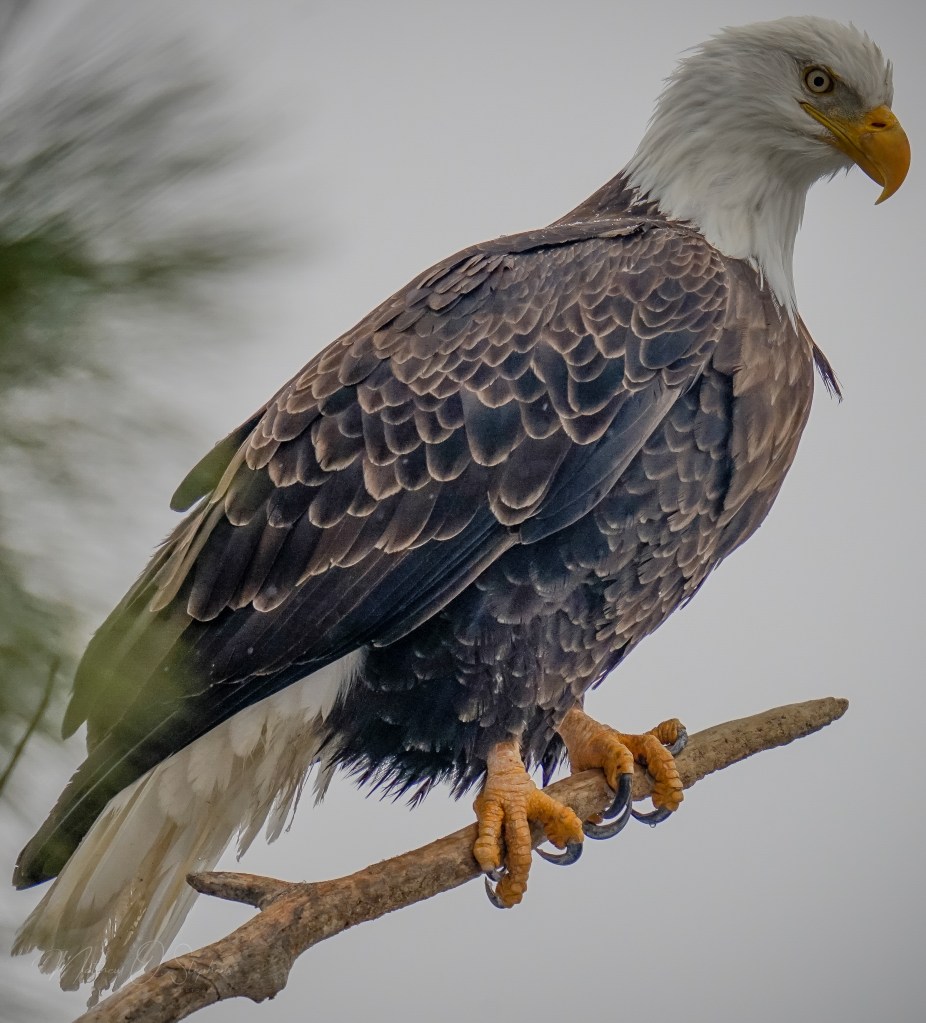
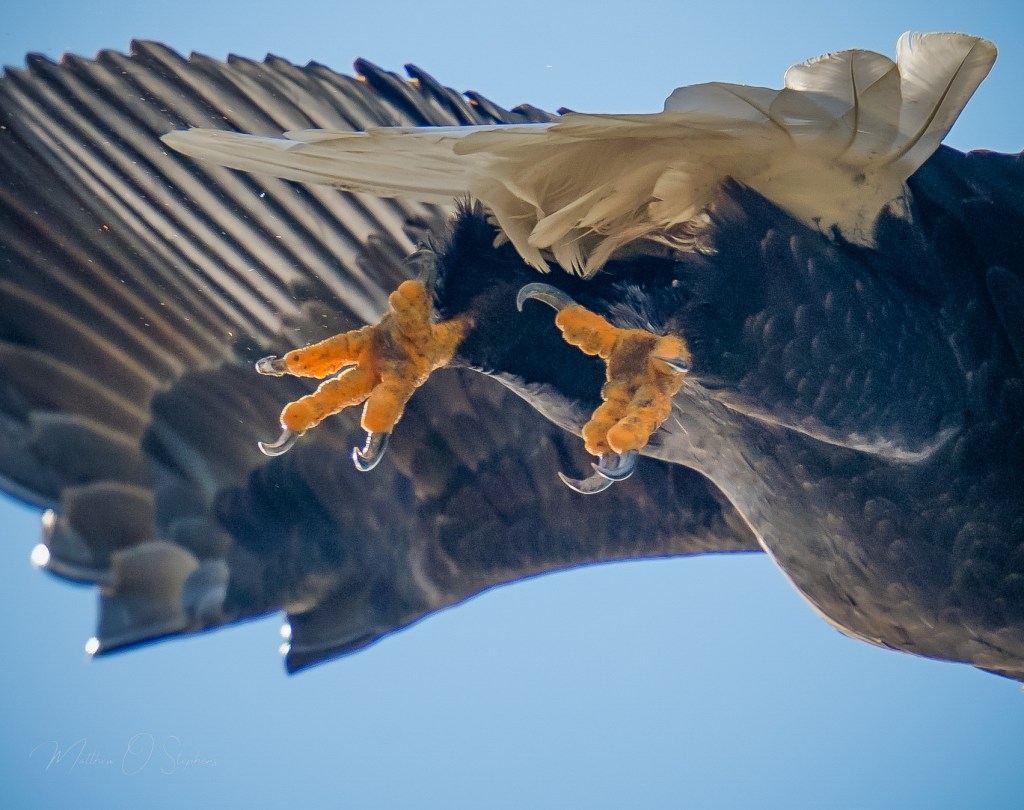
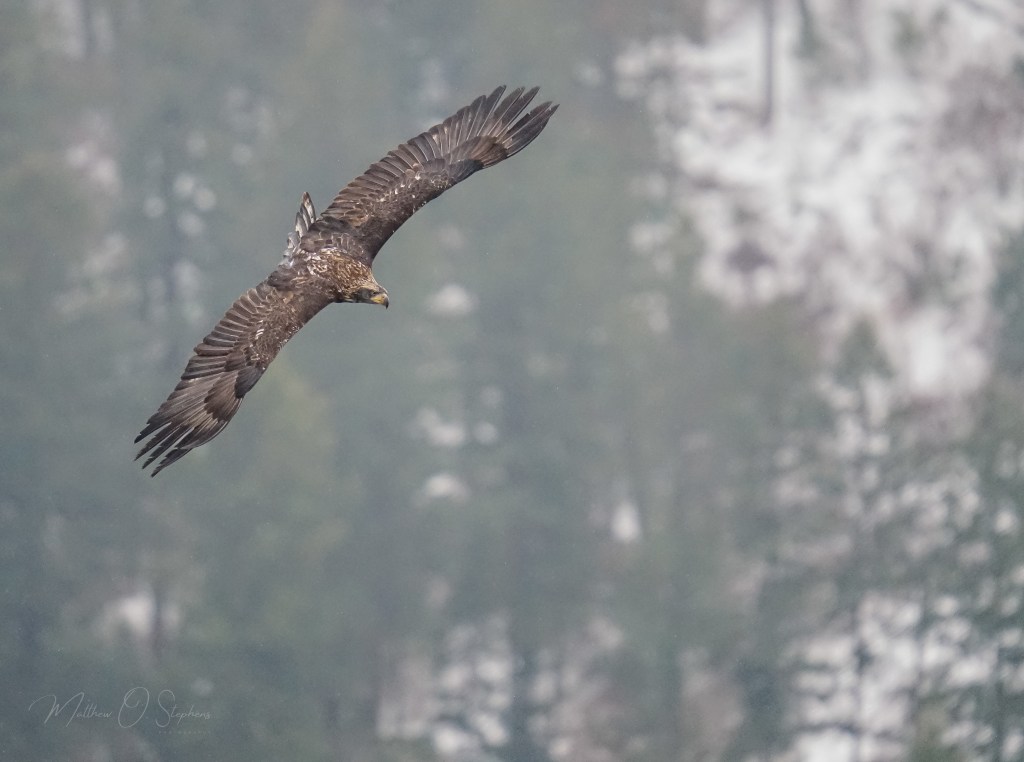
In terms of natural beauty, Lake Coeur d’Alene is hard to beat. Wolf Lodge Bay is one area known for its wintering bald eagles, this bay is a prime spot for wildlife photography and birdwatching. Each year, hundreds of eagles can be seen soaring above the bay and diving for fish, providing an unforgettable experience for visitors. From November to February, these majestic birds flock to the lake to feast on spawning kokanee salmon, creating a spectacular wildlife viewing opportunity. The area is equipped with viewing stations and information panels to enhance the experience.

The Mineral Ridge hiking trail offers a moderate climb with rewarding views of the lake, especially beautiful during the fall. The 3.3-mile loop trail features interpretive signs that provide information on the local flora and fauna, as well as the history of the area. The trailhead is easily accessible, with parking and picnic facilities available.

True to its name, Beauty Bay is a tranquil spot perfect for picnicking, kayaking and enjoying the natural beauty of the region. The bay offers a quiet escape from the busier parts of the lake, with calm waters ideal for paddleboarding and swimming. Several campgrounds in the area provide a rustic, yet comfortable, overnight experience.

Located at the eastern end of Lake Coeur d’Alene, Higgens Point is a popular spot for fishing, picnicking, and eagle watching. The area offers a boat launch, making it a convenient starting point for lake exploration. Higgens Point is also part of the North Idaho Centennial Trail, a 24-mile paved path perfect for biking and walking.
There are also a lot of local attractions people can enjoy while in the area. A centerpiece of the area, the resort is famous for its floating green golf course, luxurious spa, and fine dining. The resort’s marina provides various watercraft for rental, making it easy to explore the lake. The resort also features the world’s longest floating boardwalk, offering stunning views of the lake and surrounding mountains.

The downtown area is bustling with quaint shops, art galleries, and restaurants. Hudson’s Hamburgers, a local institution since 1907, is a must-visit for a classic American burger. Just down the road, Schmidty’s Burgers is another eatery deeply engrained in the community. The downtown area also hosts a variety of events throughout the year, including the popular ArtWalk, which showcases local artists’ work in galleries and businesses.

The Art Spirit Gallery features contemporary works by local and regional artists, offering a diverse range of paintings, sculptures, and ceramics. It is a cultural hub in the downtown area, hosting exhibitions and events throughout the year.

Also in the downtown area, McEuen Park offers a large playground, a splash pad, and walking paths. The park’s waterfront location provides beautiful views of the lake and easy access to Tubbs Hill.

Adjacent to downtown, Tubbs Hill offers hiking trails with beautiful lake views, picnic spots, and secluded beaches perfect for a summer swim. The two – mile loop trail around the hill provides easy access to the natural beauty of the area, with interpretive signs highlighting the local ecology and geology.

Just a short drive from the lake, Silverwood is the largest theme park in the Northwest, offering rides and attractions for all ages. The park features roller coasters, water slides, and live entertainment, making it a perfect family destination.

Lake Coeur d’Alene is not just a body of water; it’s a year-round destination that promises adventure, relaxation, and breathtaking natural beauty. Whether you’re casting a line, hiking a trail, or simply soaking in the scenery, this Idaho gem has something for everyone. With its rich history, diverse recreational opportunities, and vibrant local culture, Lake Coeur d’Alene continues to captivate visitors and locals alike.
Uncategorized

National Bison Range: One of Montana’s Great Sanctuaries

MOIESE, Mont. — Nestled in the picturesque landscape of northwestern Montana, the National Bison Range is a testament to the American conservation movement, offering visitors a glimpse into the past with its thriving wildlife and diverse habitats. Established in 1908 by President Theodore Roosevelt, the range stands as one of the oldest wildlife refuges in the United States.

Covering approximately 18,800 acres, the National Bison Range is home to a variety of ecosystems, including grasslands, forests, and wetlands. This mosaic of habitats supports an impressive array of wildlife.

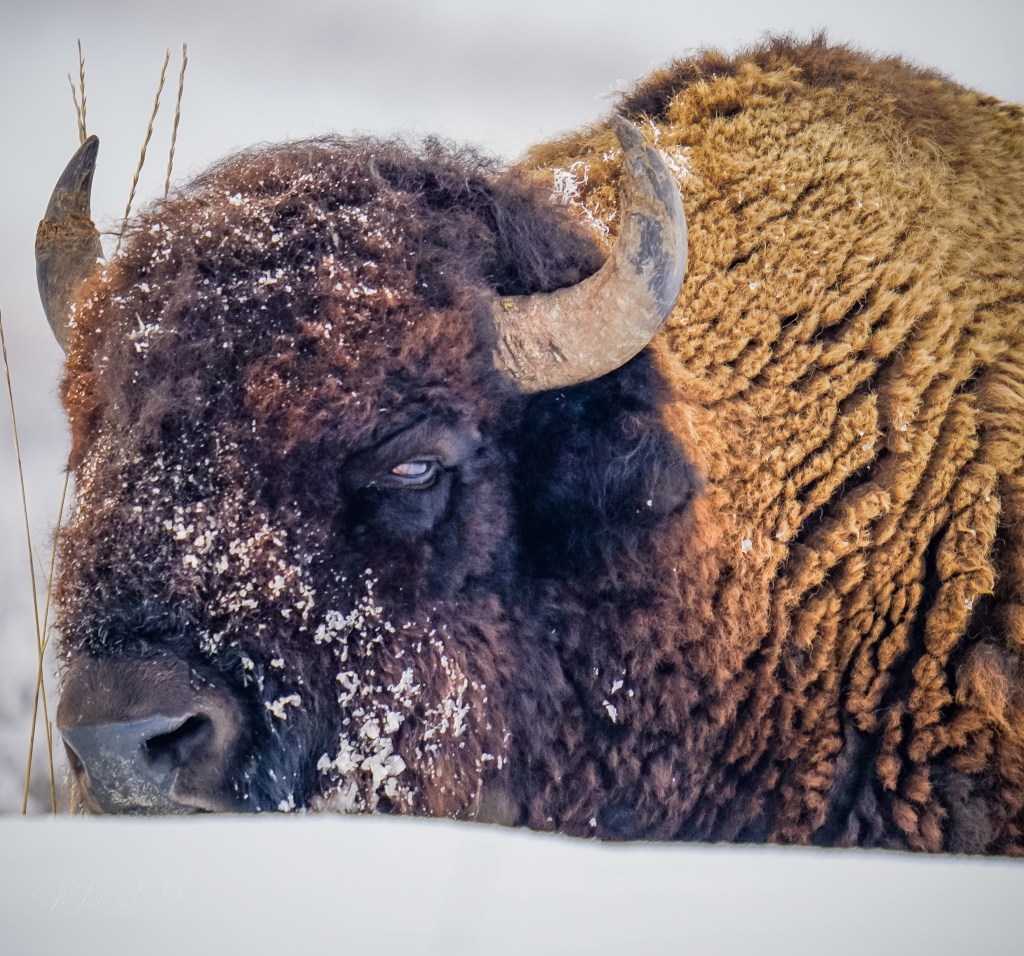
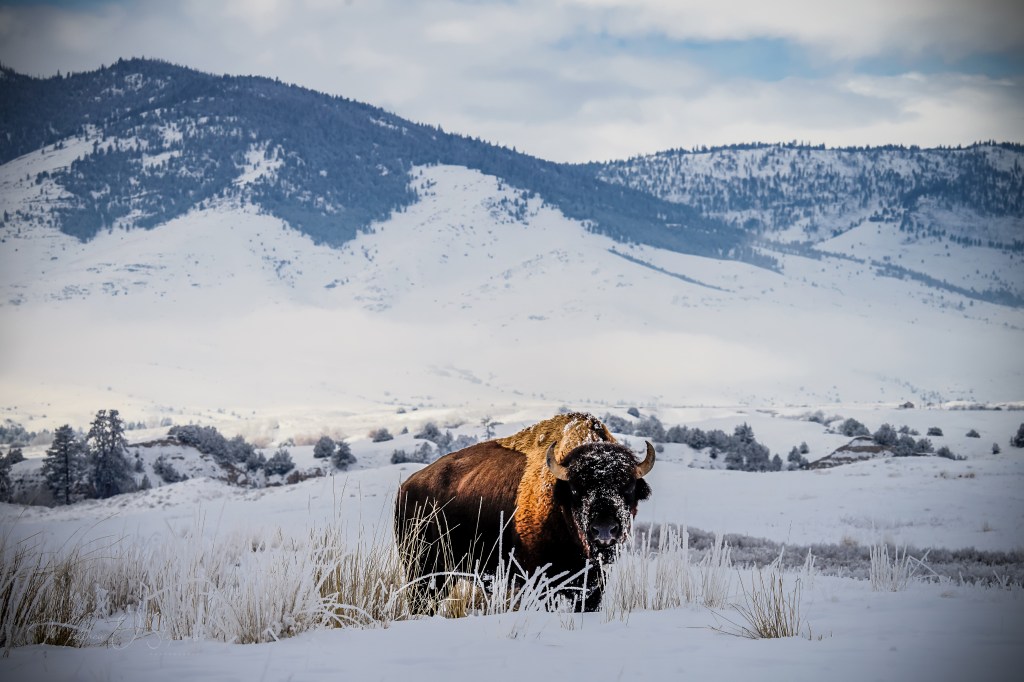
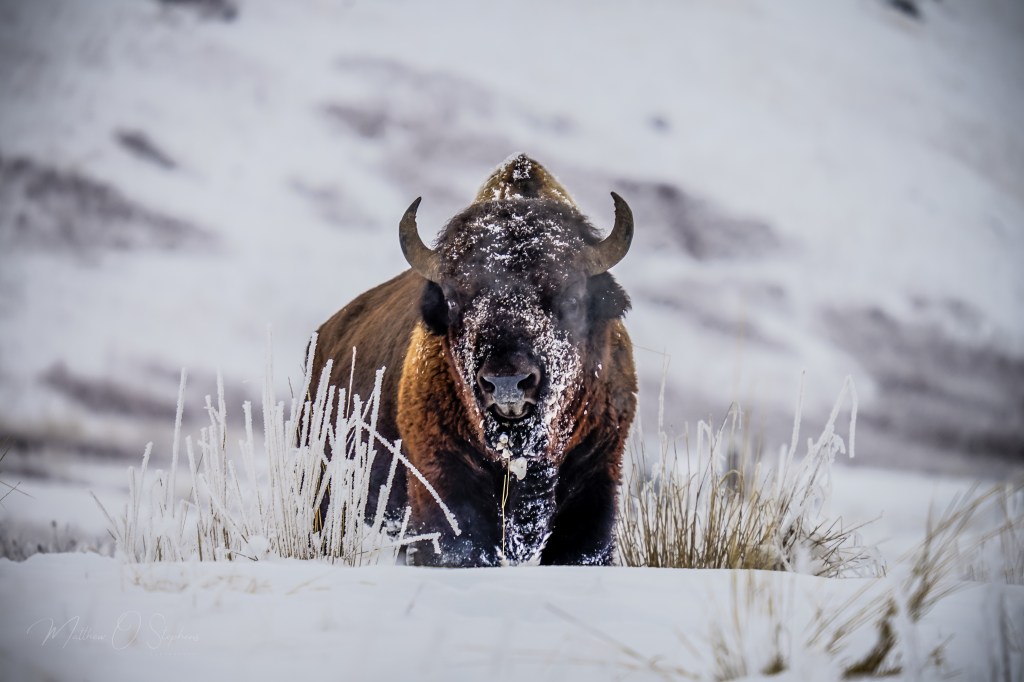
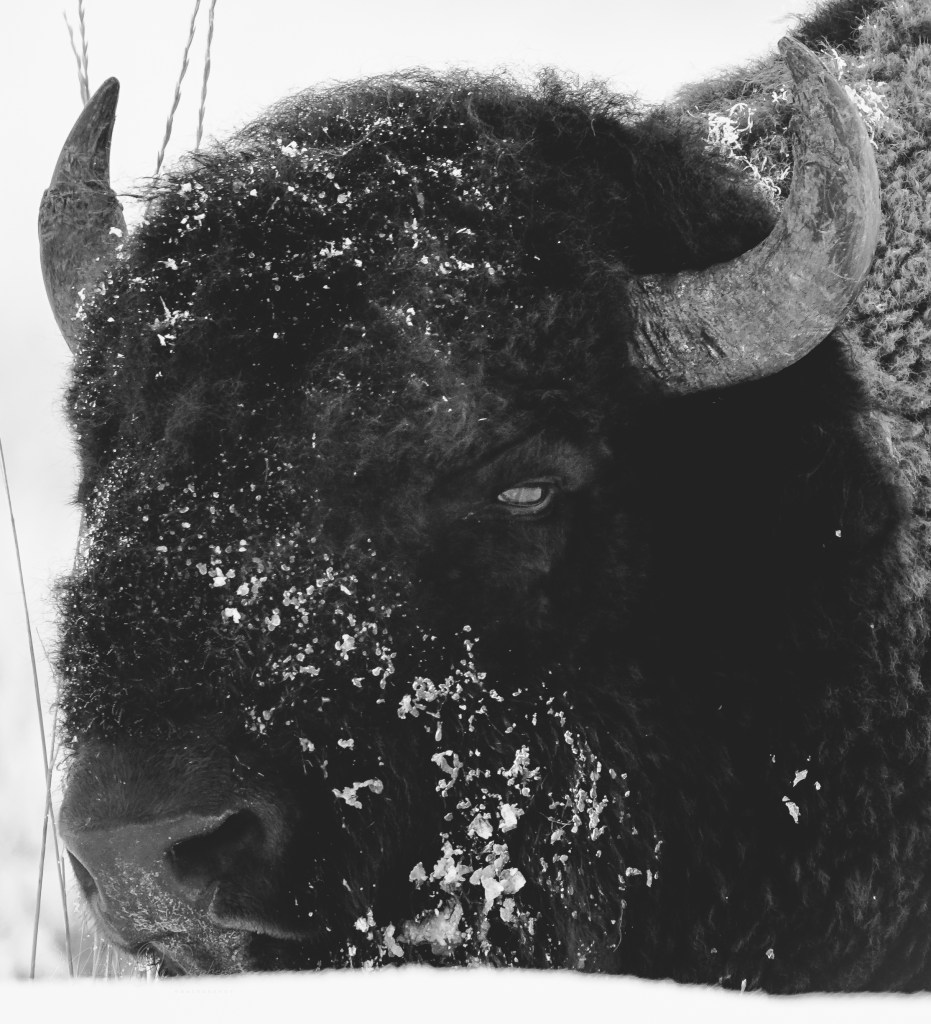
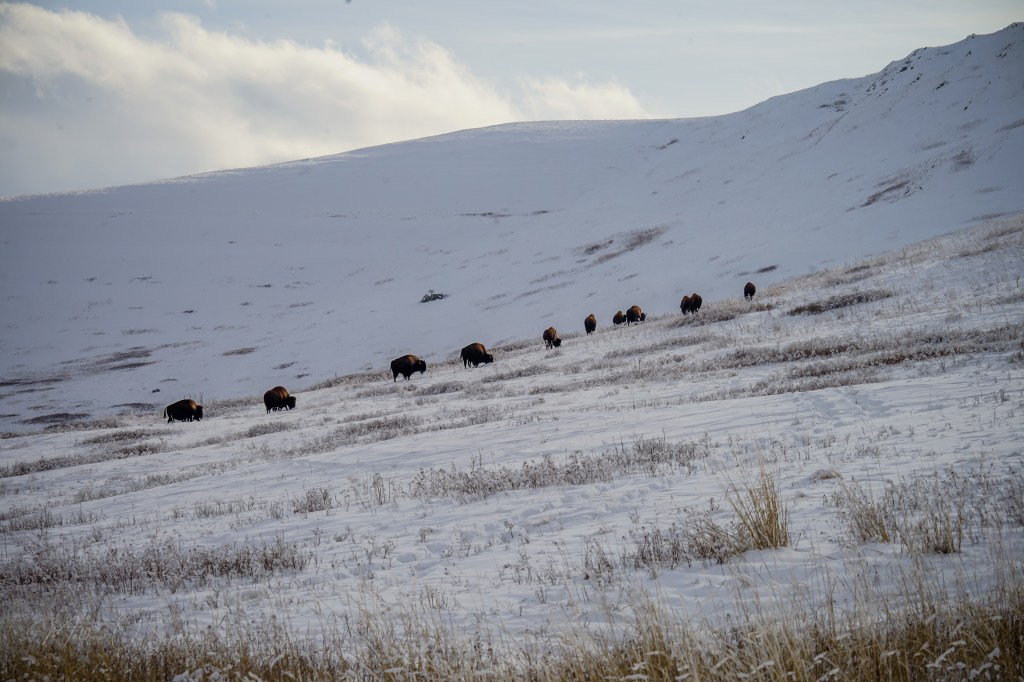
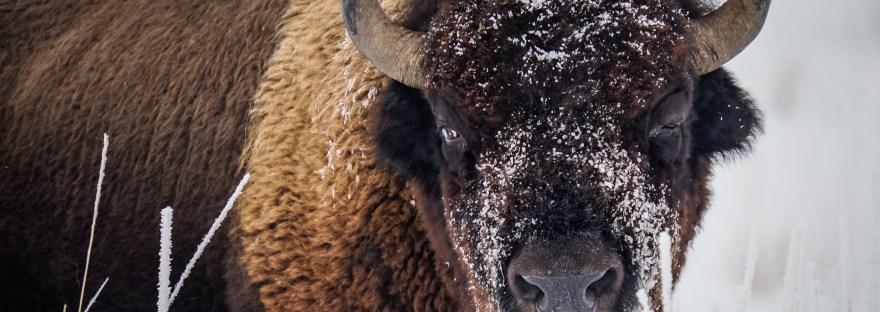
The centerpiece of the range is its herd of around 350 to 500 American bison, which roam freely across the expansive terrain. In addition to bison, visitors can spot elk, white-tailed deer, mule deer, pronghorn, and bighorn sheep. Birdwatchers will delight in the over 200 bird species that inhabit the area, including eagles, hawks, and waterfowl.

The range is located about 50 miles north of Missoula and 70 miles south of Kalispell, making it an accessible day trip for those seeking to escape the hustle and bustle of city life. Its proximity to these cities makes it a popular destination for both locals and tourists.

Tourists visiting the National Bison Range can expect a variety of activities. The refuge offers several driving routes, including the popular Red Sleep Mountain Drive, a 19-mile loop that takes visitors through some of the most scenic and wildlife-rich areas of the range. Hiking trails, picnic areas, and educational exhibits provide additional opportunities for exploration and learning.

The entrance fee to the National Bison Range is $20 per vehicle, granting access for a full day of wildlife viewing and outdoor activities. They also have options for van passes at $35 and commercial passes that will cost $60 each. The range is open year-round, but some roads and facilities may be closed during the winter months due to snow and adverse weather conditions.

The history of the National Bison Range is deeply intertwined with the conservation efforts with American bison conservation efforts. In the early 20th century, the bison population had dwindled to a few hundred individuals due to overhunting and habitat loss. The establishment of the range was a crucial step in preserving this iconic species, and today, it stands as a symbol of successful wildlife management and restoration.

For those seeking a deeper connection with nature and an appreciation of America’s natural heritage, the National Bison Range offers an unforgettable experience. From the majestic sight of bison grazing on the rolling plains to the serenity of the diverse habitats teeming with life, a visit to this Montana treasure is both an educational journey and a peaceful retreat.

Just be sure to follow all park rules and do not attempt to approach the bison.

All photos were taken by me in December 2022.


Contact Information:

National Bison Range

132 Bison Range Road, Moiese, MT 59824

Phone: (406) 644-2211

Website: National Bison Range

Uncategorized

A Few Moments at McNary

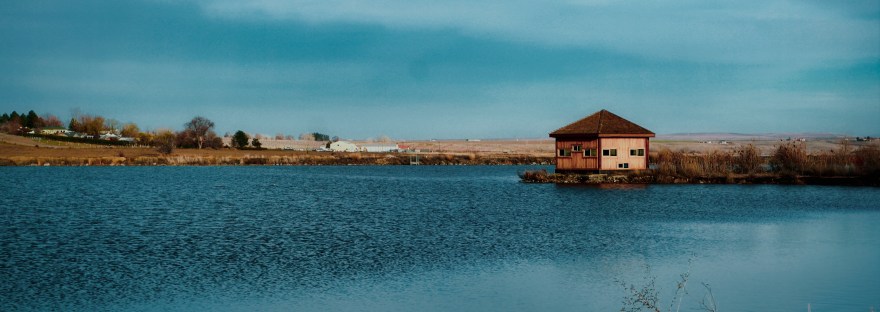
Located near the tri-cities area in Burbank Washington, McNary National Wildlife Refuge has a lot to offer.  Although the area is a refuge in itself encompassing around 15,000 acres, McNary is managed as part of a larger grouping of similar wildlife areas.  This grouping, as described by U.S. Fish and Wildlife Services is called the Mid-Columbia River National Wildlife Refuge Complex.  One main office basically has to manage 7 or 8 wildlife refuges in the region, and that is in part due to similarities between them all.  Many of these areas share similar wildlife, although McNary really gets a lot of bird activity because of the specific environment.  It is considered a bird watchers paradise by some, especially when the migratory birds are making their way through the area. 

It is a very high maintenance refuge also, as the staff members have to develop and utilize techniques to help promote natural habitat growth or recovery.  These methods have to be enhanced year to year, as seasonal weather may have an impact on which areas of the refuge need attention.  McNary does have a little help from some local farmers though, as around 700 acres of the refuge are irrigated croplands.  According to Washington State Parks this means the park and local farmers have a cooperative agreement that is mutually beneficial.  The farmers grow their crops of wheat, alfalfa, corn, etc. and then leave a portion of it for the local wildlife.  This can have a major impact during the colder winter months when natural food sources are low. 

Habitats change season to season, and right now is a great time to see the Summer animals.  Larger birds such as swans, pelicans, herons, bitterns, and others can be found in the water searching searching for food and enjoying the breeze as it blows across the water.  Eagles, Osprey, hawks, and other raptors can be found flying high in the sky looking for a good place to fish.  Deer can be found here and there, but their numbers drastically increase as the season moves into Fall.  It is not uncommon for visitors to see males competing for females as mating season goes in full swing.  The larger birds will stay around and hang tight through the fall, and even into Winter for some.  Winter becomes a very busy season for ducks, geese, etc. and there can be several thousand birds inhabiting the refuge.  As Spring rolls in, some birds will leave and head further north for a bit, while other birds that migrated further south will fly to McNary.  The cyclic nature of the land is clearly apparent in the way everything operates.  As stated by Fish & Wildlife the changing of seasons here is just a transition of birds that live on the refuge.   

McNary is a very fun and informative place to visit, especially when visiting the area.  There are a lot of animals to see, and birds to identify. Be sure to check out the McNary official Facebook page by clicking here!!!  So get out there and find some adventures!!  

Uncategorized

The Simple Paradise of Potholes State Park

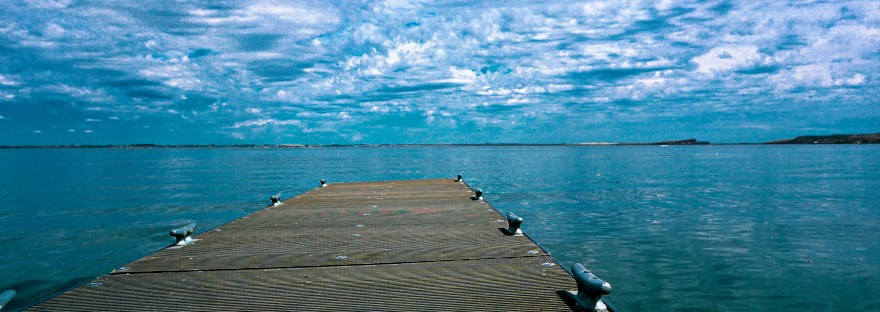
Washington state has some really incredible state parks, and Potholes State Park is an amazing place to visit.  Sitting on close to 800 acres, it is aptly named for the geological features of the area.  Ice Age activity left a pattern of divots and channels through the area, and since the construction of the O’Sullivan Dam the landscape has a definitive series of “pothole” lakes.  These smaller pothole lakes are about 30-45 minutes away from the actual state park though, as it borders the deeper waters more suitable for boating and fishing as pointed out by the Washington State Parks  website.

Animals can be found aplenty during certain times of the year, and that includes eagles, owls, geese, and various mammals that wander through the park.  It is also nearby the Columbia National Wildlife Refuge, which can make for a nice drive while in the area.  Wildlife can be found wandering through the arid brushland, finding food or drinking from the freshwater pools.  People can camp at Potholes, and according to www.stateparks.com it features 61 tent spaces, and 60 utility spaces.  There are also a handful of cabins available to rent, and pets are allowed in certain cabins with an extra fee.

Referring back to Washington State Parks the fishing is pretty solid, and features large mouth bass, rainbow trout, crappie, and yellow perch.  Also plenty of open water for the people that simply want to get out in the boats and feel the air.  When looking to the air, visitors can expect to see a plethora of birds.  Small birds such as plovers and killdeer can be seen darting about the grass, while raptors such as owls and eagles will be seen during certain times of the year.  A wide open park area has picnic tables scattered about, and there are also 2 covered stations for people to eat if needed.  Several miles of hiking trails are great for park visitors after they have seen the immaculate waterfront.  Being a state park, visitors do need to either have a Discover Pass or purchase a day or year pass from the automated kiosk on site.

Thank for visiting, and be sure to subscribe to stay updated on some great places to visit in the Pacific Northwest!

Uncategorized

Lake Lenore Caves

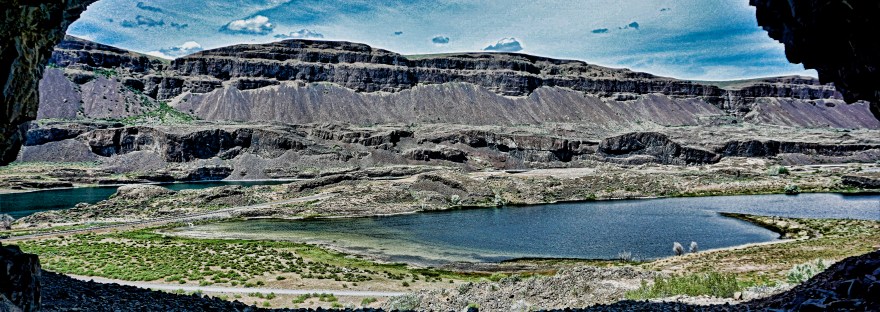
Located in central Washington, the Lake Lenore Caves are a nice place to relax and catch some awesome views.  Hiking up the path from the parking lot, the trails are well defined and easy to follow.  Concrete stairs lead to the top of a section of basalt, and the trails splits at that point.  The easier terrain to navigate leads to the right, while also offering a more direct route to the caves.  The caves are very easy to find, as the trail leads right to them.  They are not extremely expansive by any means, but the caves are large enough for a group to sit and eat lunch or find a cool spot to rest for a bit.  Some more challenging landscapes are off to the left, and hikers should lead with caution when walking that path.  From what I understand, there are signs posted at points to show some dangerous areas that are not recommended for hiking.  Another thing hikers should keep in mind is to be on the lookout for rattlesnakes, as pointed out by the Washington Trails Association.


Geologically this area was formed during the last ice age, during a time of immense flooding.  Torrential waters raced through the area, and ripped away chunks of basalt creating many of the ravines that can be found in Washington state.  Since then, the natural process of water getting into crevices in the basalt then repeatedly freezing and warming have hollowed out the caves.  The caves also bear a bit of a social history also, as natives were known to utilize them close to 5,000 years ago.  It is thought the caves were seasonal shelters, in which some of the natives would live and work there gathering plants, fish, and other supplies.  Spring and Summer would have been the most active, but as the seasons changed the natives would return to the permanent villages.  As mentioned on the website Only in Your State, some of the native petroglyphs can still be found along the walls.


Standing on the ridgeline, visitors can catch great views of Lake Lenore below which has a bit of an interesting story as well.  As explained by Heather Carr on Insteading.com the lake was once thought to be uninhabitable.  It was thought the geology of the area created an alkaline ph in the water that wouldn’t support life, so the military actually used it for a dumping ground at one point in time.  In 1947 the War Assets Administration had to dispose of 10 tons of metallic sodium, and they couldn’t find anyone willing to risk transporting it.  So the decision was made to drop the stuff into Lake Lenore, because the reaction would destroy the sodium.  Once the metallic sodium reacted with water, it would explode and release sodium hydroxide, hydrogen gas, and a lot of heat.

Here is a link to a YouTube video showing the disposal:  The Disposal of Sodium, 1947


Thanks for viewing, please like, leave a comment and share with friends.  Don’t forget to hit that subscribe button!